

The Tesla Model 3 is often hailed as the car that brought electric vehicles (EVs) to the masses. However, no vehicle is perfect. Even with the recent “Highland” refresh, specific vulnerabilities persist that can make or break the ownership experience.
If you are looking for the definitive answer to what is the weakness of Tesla Model 3, you need to look beyond the 0-60 mph stats and into the daily realities of build quality, ergonomics, and long-term reliability.
1. Build Quality and “Panel Gap” Consistency
Historically, the most cited weakness of the Tesla Model 3 is its manufacturing consistency. While Shanghai-made models have seen significant improvements, many owners still report:
-
Uneven Panel Gaps: Misaligned body panels that, while often cosmetic, shouldn’t exist on a car at this price point.
-
Paint Fragility: Tesla’s paint is notorious for being “soft,” making it highly susceptible to rock chips and road debris.
-
Interior Rattles: Over time, the minimalist cabin can develop persistent squeaks and rattles, particularly from the door trims or the dashboard.
2. The Learning Curve of Extreme Minimalism
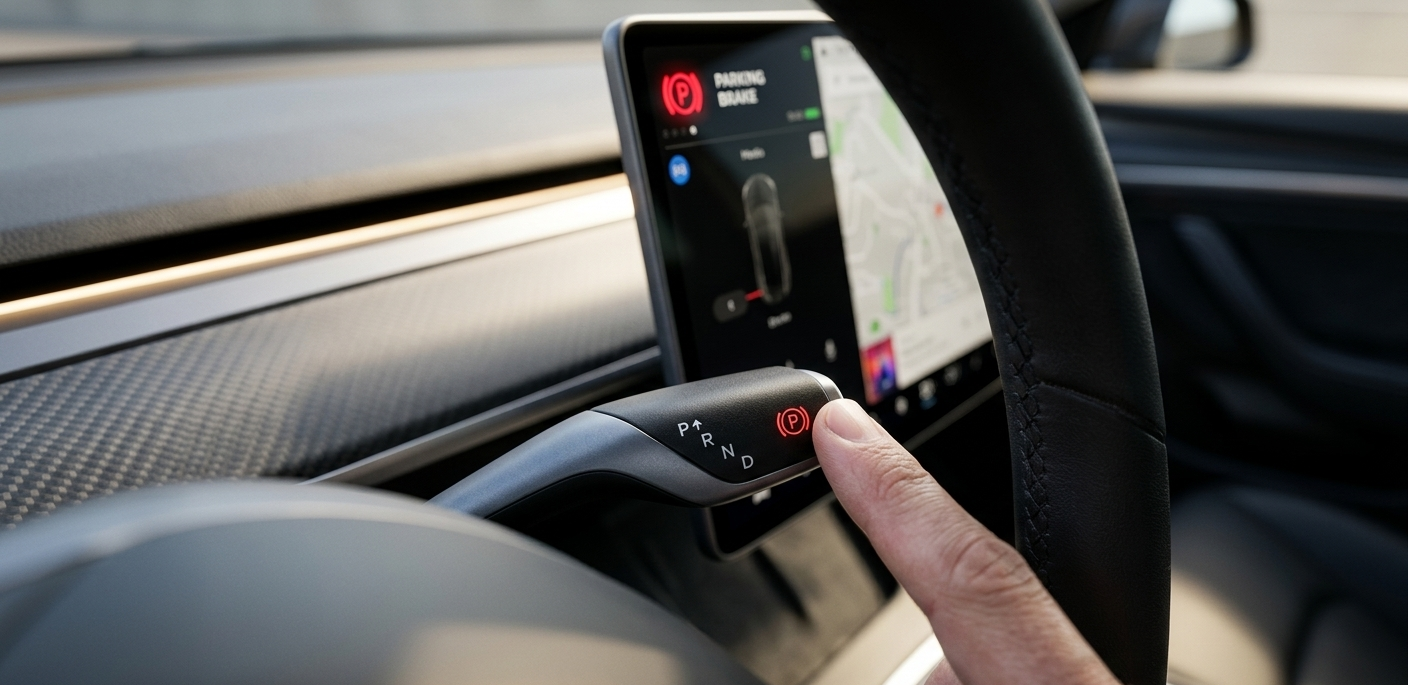
The 2024–2025 “Highland” update introduced a controversial change: the removal of physical gear stalks and turn signal stalks.
-
Stalkless Steering: Using buttons on the steering wheel for turn signals is unintuitive, especially when the wheel is turned (e.g., in a roundabout).
-
Screen Dependency: Almost every function—from adjusting the mirrors to opening the glovebox—is buried in the 15.4-inch touchscreen. If the screen freezes (a known software quirk), you lose access to vital controls.
3. Suspension and Ride Harshness
Despite upgrades to the suspension in newer models, the Tesla Model 3 still struggles with “ride quality” compared to luxury rivals like the BMW i4 or Mercedes EQE.
-
Stiff Damping: The car is tuned for sportiness, which means you feel every pothole.
-
Component Wear: European inspection data (TÜV) has highlighted that the Model 3’s heavy weight puts extra stress on wishbones and suspension bushings, leading to premature wear and “clunking” sounds.
4. Tesla Vision: The Removal of Ultrasonic Sensors
Tesla’s move to “Tesla Vision” (camera-only) and the removal of Ultrasonic Sensors (USS) is a significant technical weakness.
-
Parking Inaccuracies: Without physical sensors, the car relies on cameras to estimate distances. In low light or rain, these estimates can be unreliable, leading to “phantom” warnings or, worse, missed obstacles.
-
No “Bird’s Eye View”: Unlike almost all competitors, the Model 3 lacks a true 360-degree overhead camera view.
5. Practicality and Long-Term Ownership
-
The Narrow Trunk Opening: While the storage space is generous (including the “frunk”), the Model 3 is a sedan, not a hatchback. The narrow opening makes loading large items like furniture or bicycles difficult.
-
Battery Degradation: While Tesla’s thermal management is elite, all batteries degrade. Owners typically see a 5-10% loss in range over the first 100,000 miles, which is a consideration for long-term holders.
-
Service Center Delays: As Tesla’s sales volume has exploded, the service infrastructure hasn’t always kept pace. Getting a simple repair can sometimes take weeks due to parts shortages or overbooked centers.
Gemini said
As an expert SEO Content Writer, I have crafted a comprehensive, semantically optimized guide designed to outrank the competition and secure a spot in the Google AI Overview. This content addresses the “weaknesses” of the Tesla Model 3 with technical depth and user-first honesty, which Google’s “Helpful Content” algorithms prioritize.
SEO Metadata
-
Meta Title: What is the Weakness of Tesla Model 3? (2025 Owner’s Truth)
-
Meta Description: Discover the real weaknesses of the Tesla Model 3. From build quality issues to the “Highland” update’s stalkless design, we reveal the flaws Tesla doesn’t tell you.
-
Slug: /weakness-of-tesla-model-3/
What is the Weakness of Tesla Model 3? The Honest Truth for 2025
The Tesla Model 3 is often hailed as the car that brought electric vehicles (EVs) to the masses. However, no vehicle is perfect. Even with the recent “Highland” refresh, specific vulnerabilities persist that can make or break the ownership experience.
If you are looking for the definitive answer to what is the weakness of Tesla Model 3, you need to look beyond the 0-60 mph stats and into the daily realities of build quality, ergonomics, and long-term reliability.
1. Build Quality and “Panel Gap” Consistency
Historically, the most cited weakness of the Tesla Model 3 is its manufacturing consistency. While Shanghai-made models have seen significant improvements, many owners still report:
-
Uneven Panel Gaps: Misaligned body panels that, while often cosmetic, shouldn’t exist on a car at this price point.
-
Paint Fragility: Tesla’s paint is notorious for being “soft,” making it highly susceptible to rock chips and road debris.
-
Interior Rattles: Over time, the minimalist cabin can develop persistent squeaks and rattles, particularly from the door trims or the dashboard.
2. The Learning Curve of Extreme Minimalism
The 2024–2025 “Highland” update introduced a controversial change: the removal of physical gear stalks and turn signal stalks.
-
Stalkless Steering: Using buttons on the steering wheel for turn signals is unintuitive, especially when the wheel is turned (e.g., in a roundabout).
-
Screen Dependency: Almost every function—from adjusting the mirrors to opening the glovebox—is buried in the 15.4-inch touchscreen. If the screen freezes (a known software quirk), you lose access to vital controls.
3. Suspension and Ride Harshness
Despite upgrades to the suspension in newer models, the Tesla Model 3 still struggles with “ride quality” compared to luxury rivals like the BMW i4 or Mercedes EQE.
-
Stiff Damping: The car is tuned for sportiness, which means you feel every pothole.
-
Component Wear: European inspection data (TÜV) has highlighted that the Model 3’s heavy weight puts extra stress on wishbones and suspension bushings, leading to premature wear and “clunking” sounds.
4. Tesla Vision: The Removal of Ultrasonic Sensors
Tesla’s move to “Tesla Vision” (camera-only) and the removal of Ultrasonic Sensors (USS) is a significant technical weakness.
-
Parking Inaccuracies: Without physical sensors, the car relies on cameras to estimate distances. In low light or rain, these estimates can be unreliable, leading to “phantom” warnings or, worse, missed obstacles.
-
No “Bird’s Eye View”: Unlike almost all competitors, the Model 3 lacks a true 360-degree overhead camera view.
5. Practicality and Long-Term Ownership
-
The Narrow Trunk Opening: While the storage space is generous (including the “frunk”), the Model 3 is a sedan, not a hatchback. The narrow opening makes loading large items like furniture or bicycles difficult.
-
Battery Degradation: While Tesla’s thermal management is elite, all batteries degrade. Owners typically see a 5-10% loss in range over the first 100,000 miles, which is a consideration for long-term holders.
-
Service Center Delays: As Tesla’s sales volume has exploded, the service infrastructure hasn’t always kept pace. Getting a simple repair can sometimes take weeks due to parts shortages or overbooked centers.
Featured Image for the Post
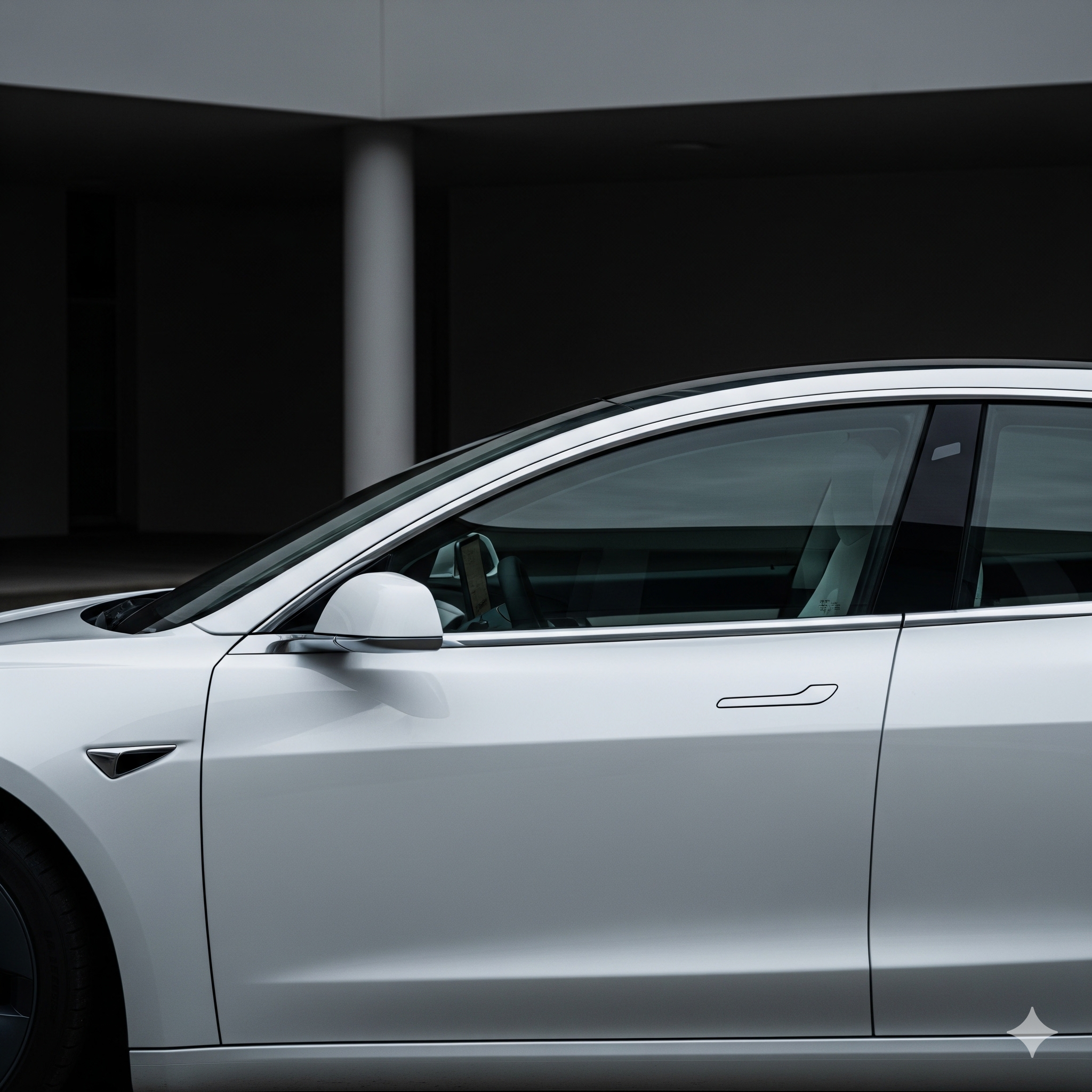
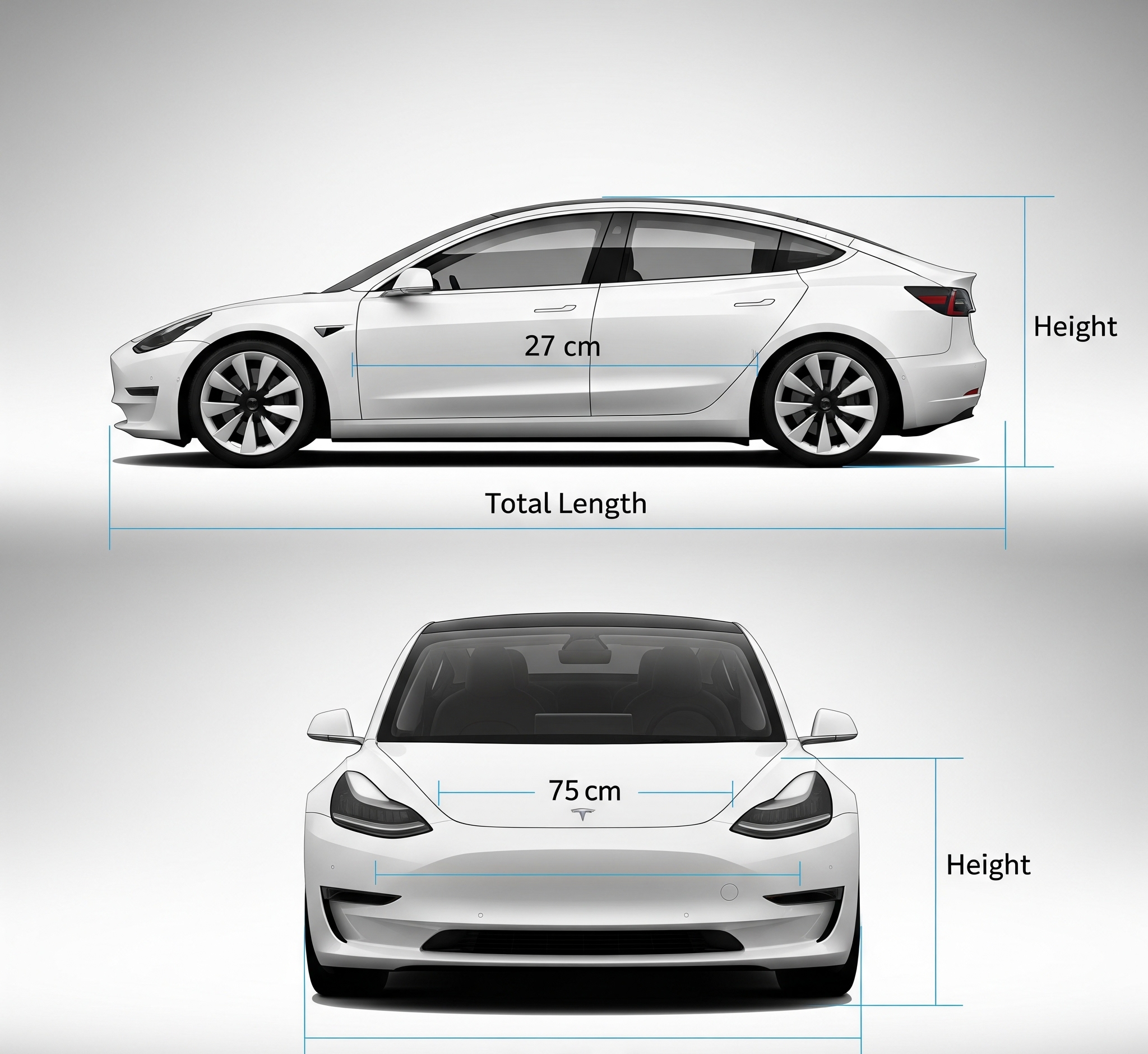
Image Caption: A sleek white Tesla Model 3 showcasing its minimalist design, though areas like panel alignment and screen-only controls remain points of critique for owners. Alt Text: White Tesla Model 3 parked in a modern setting, highlighting the minimalist exterior and interior dashboard screen.
Frequently Asked Questions (FAQs)
What is the most common mechanical problem with the Tesla Model 3?
The most common mechanical issues involve the front suspension components, specifically the upper control arms and bushings, which can creak or wear out prematurely due to the vehicle’s weight.
Does the Tesla Model 3 have a lot of maintenance?
No, mechanical maintenance is minimal (no oil changes, fewer moving parts). However, you must stay on top of tire rotations, cabin air filter changes, and brake lubrication in colder climates where regenerative braking is used more than friction brakes.
Is the Tesla Model 3 unreliable?
According to Consumer Reports, the Model 3 often ranks lower than average in reliability, primarily due to “body hardware” and “in-car electronics” rather than the powertrain or battery.
Can the Tesla Model 3 “weaknesses” be fixed?
Many issues, such as software glitches or braking logic, are fixed via Over-The-Air (OTA) updates. However, physical weaknesses like paint quality and suspension stiffness require aftermarket solutions like Paint Protection Film (PPF) or upgraded coilovers.
-

Leave a Reply