

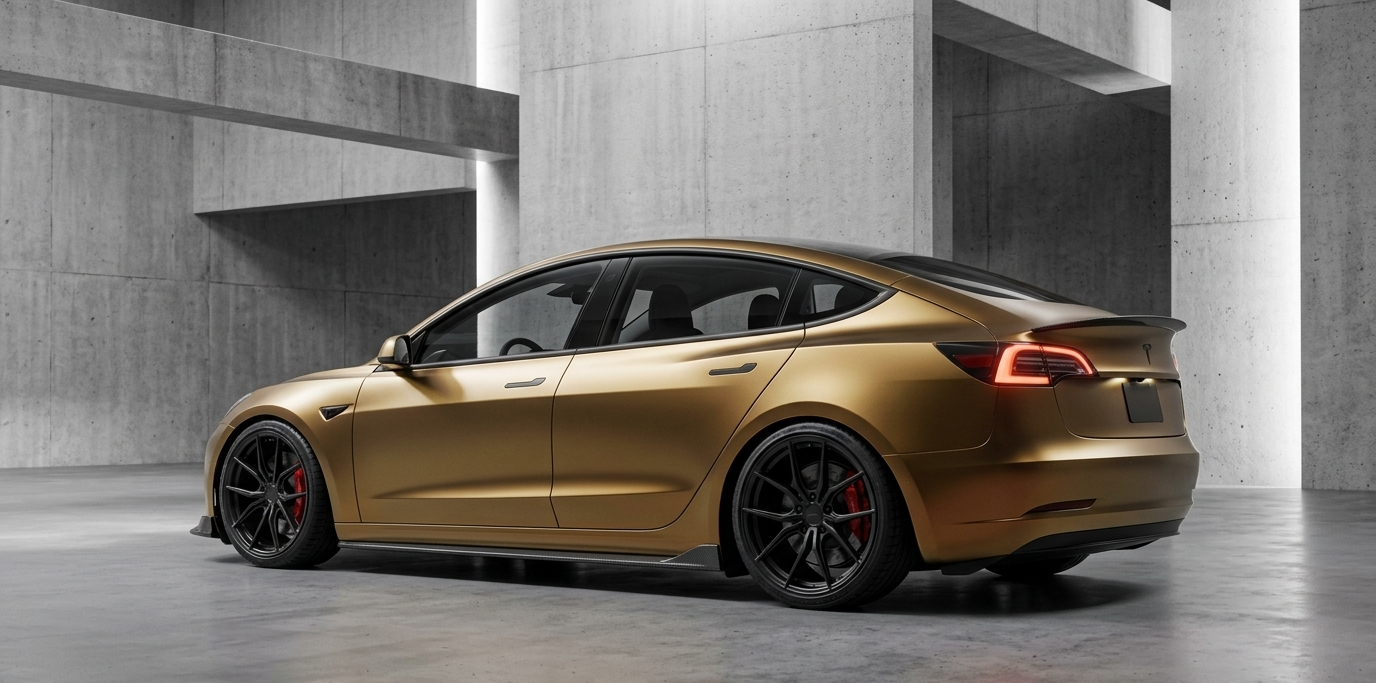
The short answer is absolutely. While Tesla is known for its minimalist “locked-down” ecosystem, the Model 3 has become the most modified electric vehicle in history. From the 2017 originals to the refined 2026 models, a massive aftermarket industry exists to help you personalize your car’s performance, aesthetics, and utility.
However, modifying a Tesla is different from modifying a gas car. You aren’t tuning carburetors; you are optimizing aerodynamics, suspension geometry, and software interfaces.
1. Aesthetic & Aerodynamic Modifications
Most owners start with visual changes that also serve a functional purpose.
-
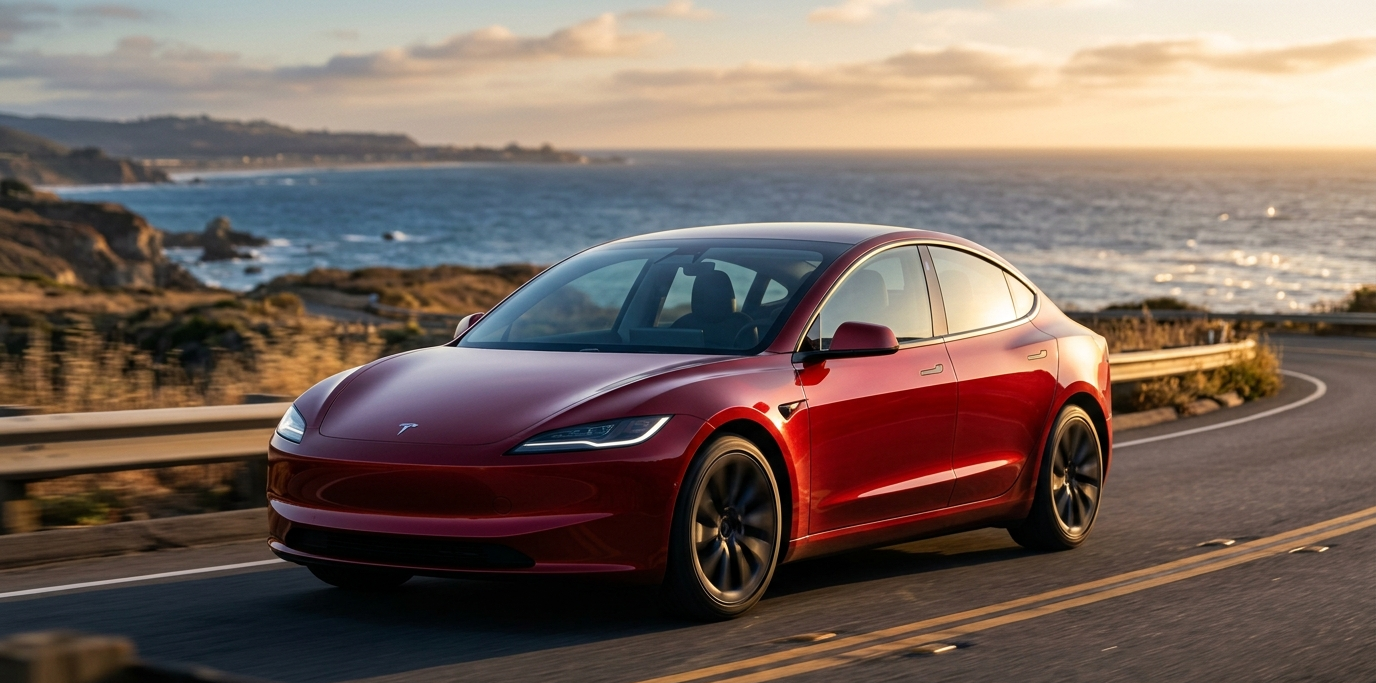
Aero Kits: Front lips, side skirts, and rear diffusers are popular for the 2026 Stealth Grey and Ultra Red models. These aren’t just for looks; high-quality carbon fiber kits can actually reduce the drag coefficient, slightly increasing highway range.
-
Wheel Upgrades: Swapping the stock 18-inch Photon wheels for lightweight forged 19-inch wheels can reduce unsprung weight, improving both handling and acceleration.
-
Color Wraps: Since Tesla offers a limited paint palette, high-quality PPF (Paint Protection Film) or color-change wraps are the standard for 2026 customization.
2. Performance & Suspension Mods
Even the 2026 Model 3 Performance can be pushed further.
-
Lowering Springs & Coilovers: Many enthusiasts find the factory “Highland” suspension a bit too soft. Aftermarket coilovers allow you to adjust ride height and damping for a more aggressive, track-ready feel.
-
Brake Upgrades: For those taking their Model 3 to the track, high-performance brake pads and stainless steel braided lines are essential to combat brake fade during spirited driving.
-
Sway Bars: Upgrading the front and rear sway bars is a cost-effective way to significantly reduce body roll in corners without sacrificing ride quality.
3. Interior & Tech Customization
The 2026 interior is already premium, but there is always room for more.
-
Stalk Retrofits: Since the 2024 refresh removed physical stalks, a major 2026 modification trend is the installation of aftermarket “Stalk Kits” that restore physical turn signals and gear selectors.
-
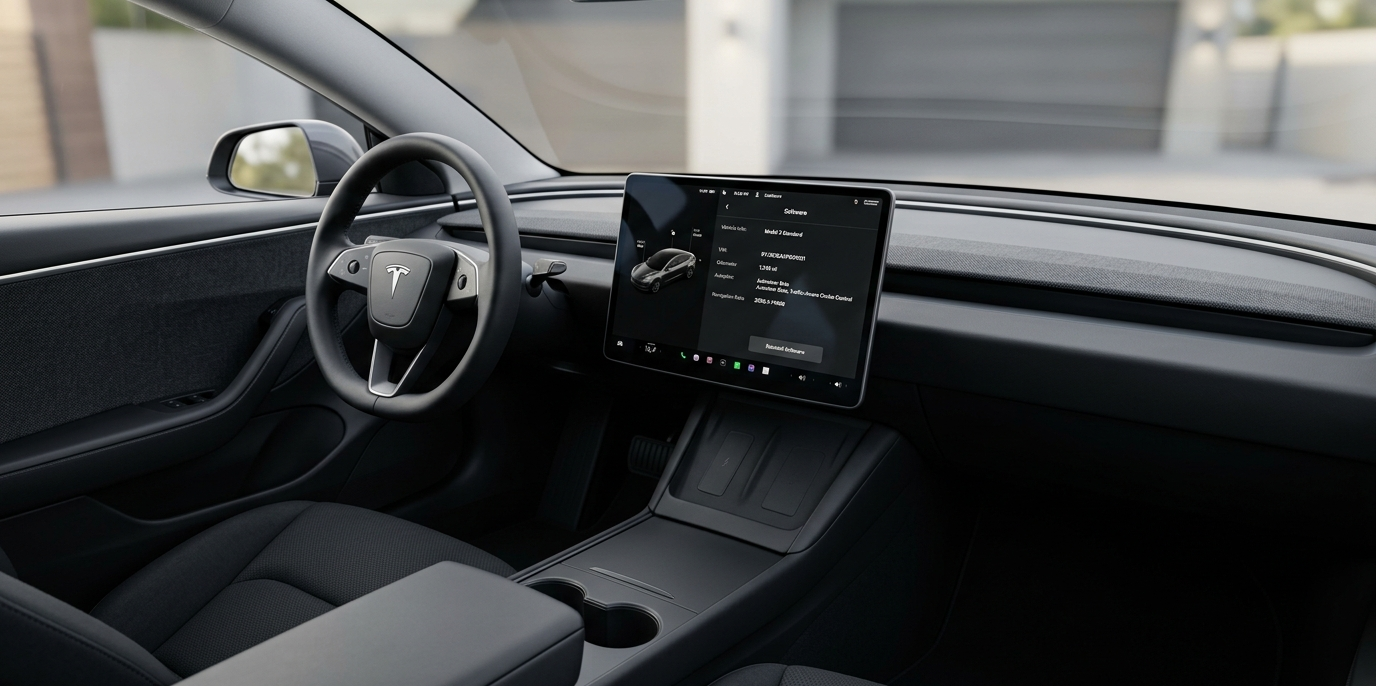
Additional Displays: Many owners add a small instrument cluster display behind the steering wheel or a swivel mount for the main 15.4-inch screen to tilt it toward the driver.
-
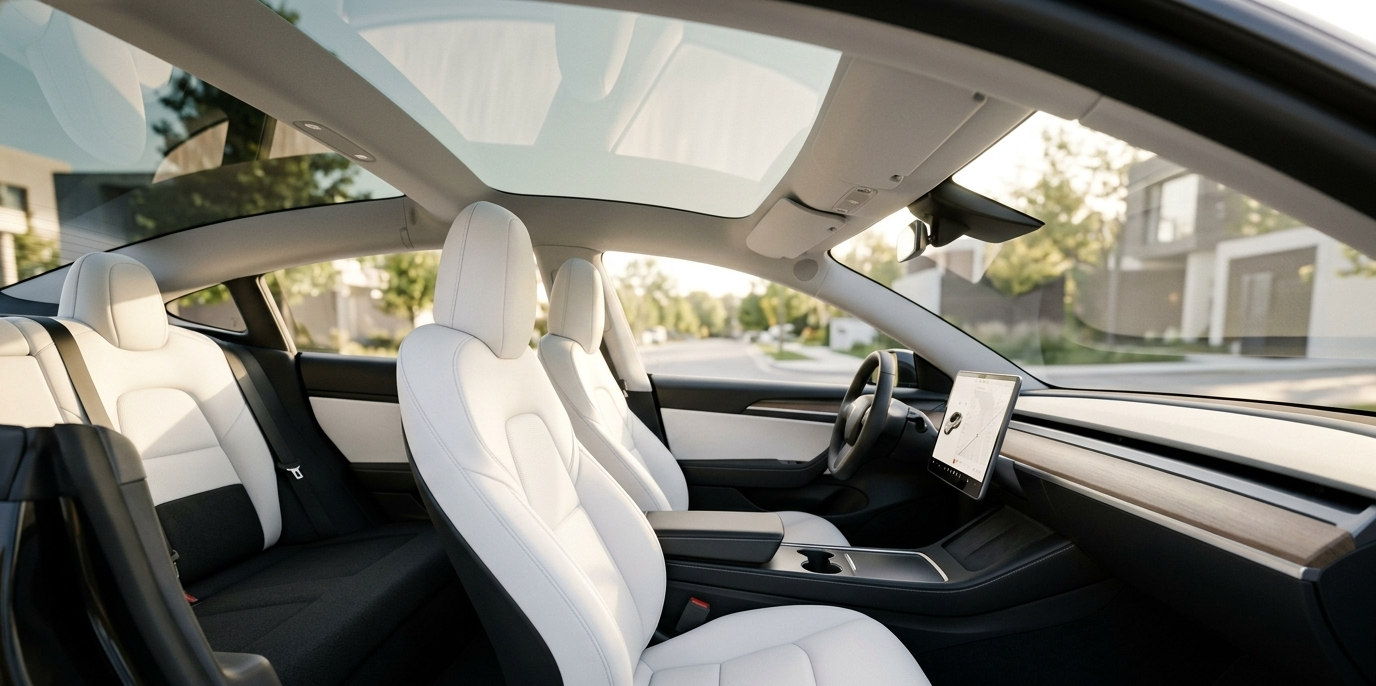
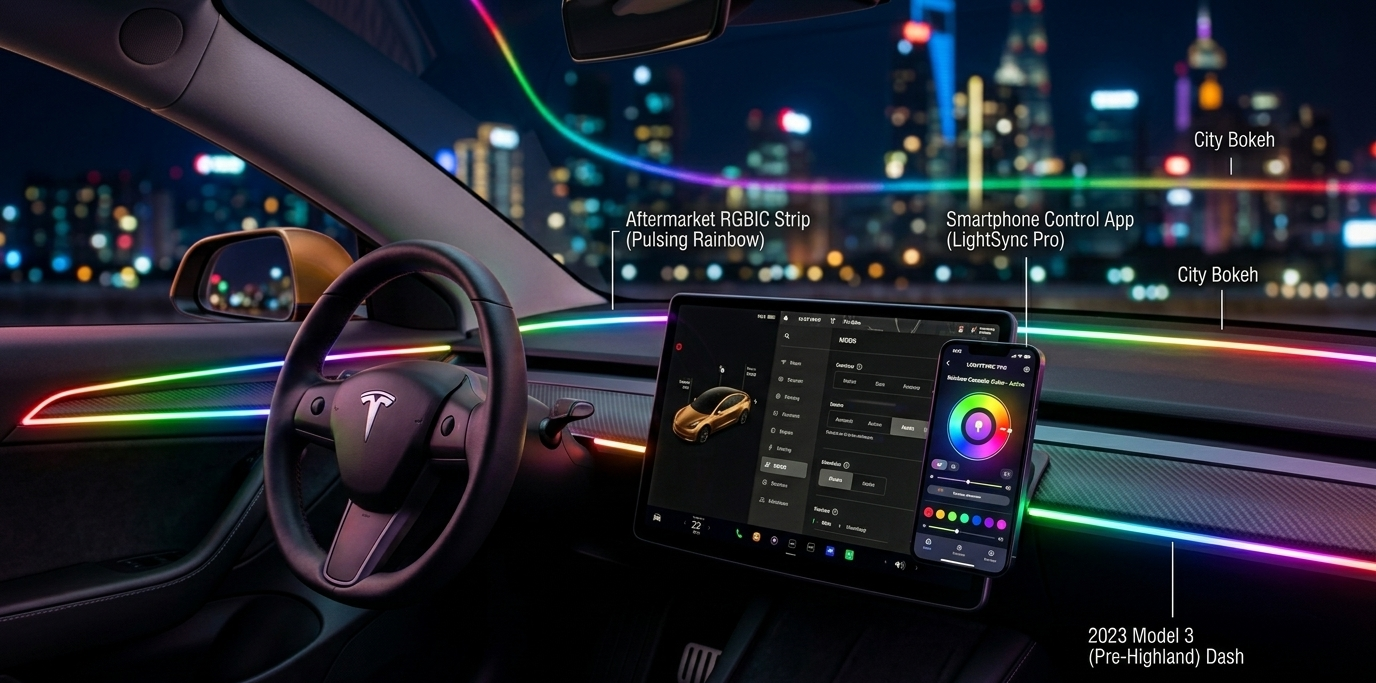
Ambient Lighting: While 2026 models include basic lighting, aftermarket RGBIC kits allow for full cabin saturation and sync-to-music features.
Will Modifications Void My Warranty?
This is the #1 concern for owners. Under the Magnuson-Moss Warranty Act, a manufacturer cannot legally void your entire vehicle warranty just because you installed an aftermarket part.
-
The Rule of Direct Causation: Tesla can only deny a warranty claim if they can prove that your specific modification caused the failure.
-
Example: If you install lowering springs and your suspension bushings wear out, Tesla won’t cover the bushings. However, they must still honor the warranty on your battery, motors, and touchscreen because the springs didn’t cause those to fail.
FAQs: Tesla Modification Essentials
Q: Can I increase my Tesla’s horsepower with a mod?
A: Unlike a gas car, you cannot easily “chip” a Tesla. Most power increases come from Tesla’s own “Acceleration Boost” software upgrade. However, certain “Ghost” modules exist for older dual-motor models to unlock Performance-level power.
Q: Do modifications affect my resale value?
A: Generally, high-end functional mods (like suspension or forged wheels) hold value well. Purely aesthetic mods (like wild wraps or neon lights) may decrease the pool of potential buyers later.
Q: Can I install these mods myself?
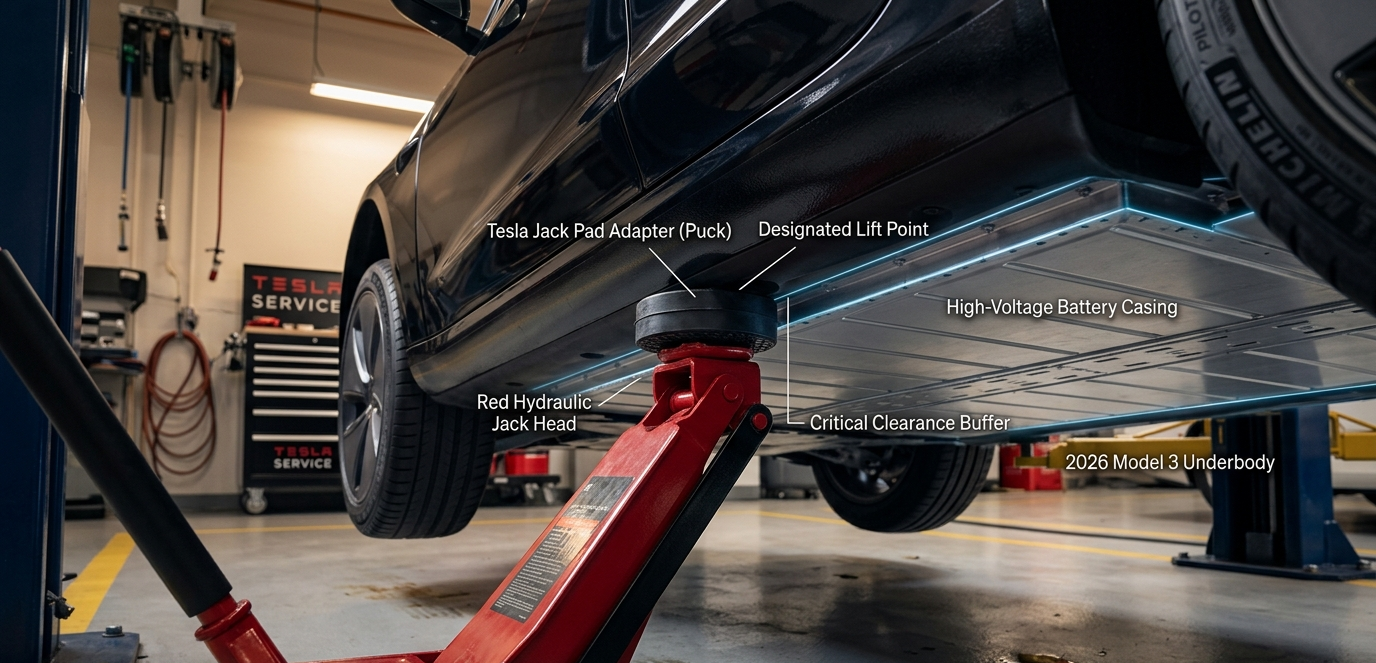
A: Most interior accessories and “bolt-on” aero parts are DIY-friendly. However, suspension and high-voltage electrical mods should be handled by a professional Tesla-specialist shop.


Leave a Reply