

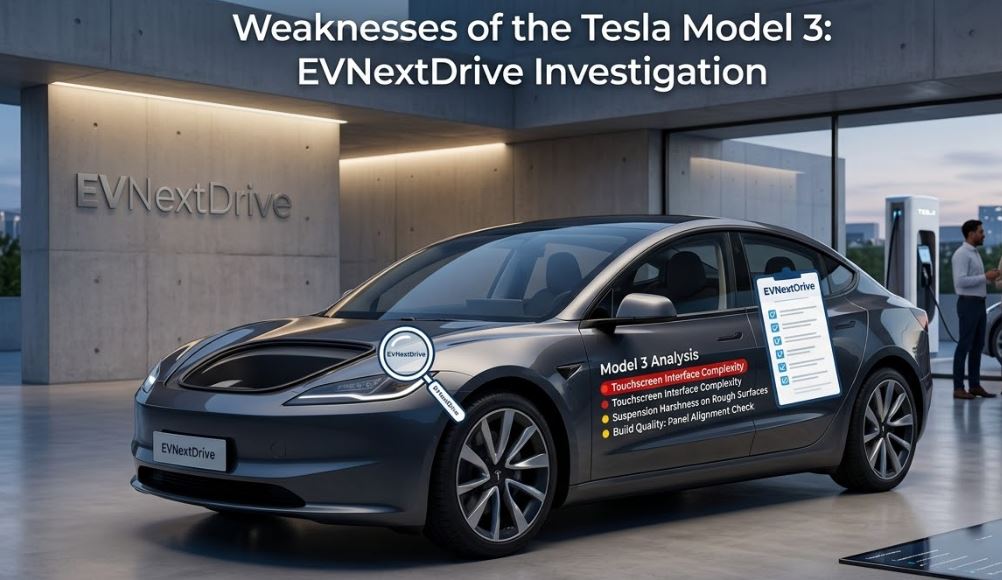
The Tesla Model 3 is often hailed as the “iPhone of cars,” revolutionizing the electric vehicle (EV) market with its range, tech, and performance. However, no vehicle is perfect. Whether you are looking at a used 2021 model or the newly refreshed “Highland” edition, there are specific drawbacks every buyer should know.
To help you make an informed decision, we’ve analyzed thousands of owner reports, TÜV reliability data, and expert reviews to identify the 7 core weaknesses of the Tesla Model 3.
1. Build Quality and “Panel Gap” Inconsistency
Despite years of production, Tesla still struggles with “fit and finish” compared to legacy luxury brands like BMW or Audi.
-
The Issue: Uneven panel gaps, misaligned trim pieces, and thin paint (especially on the rocker panels) remain common complaints.
-
The Impact: While mostly cosmetic, poor alignment can occasionally lead to increased wind noise at high speeds or, in rare cases, water ingress in the trunk.
2. Over-Reliance on the Central Touchscreen
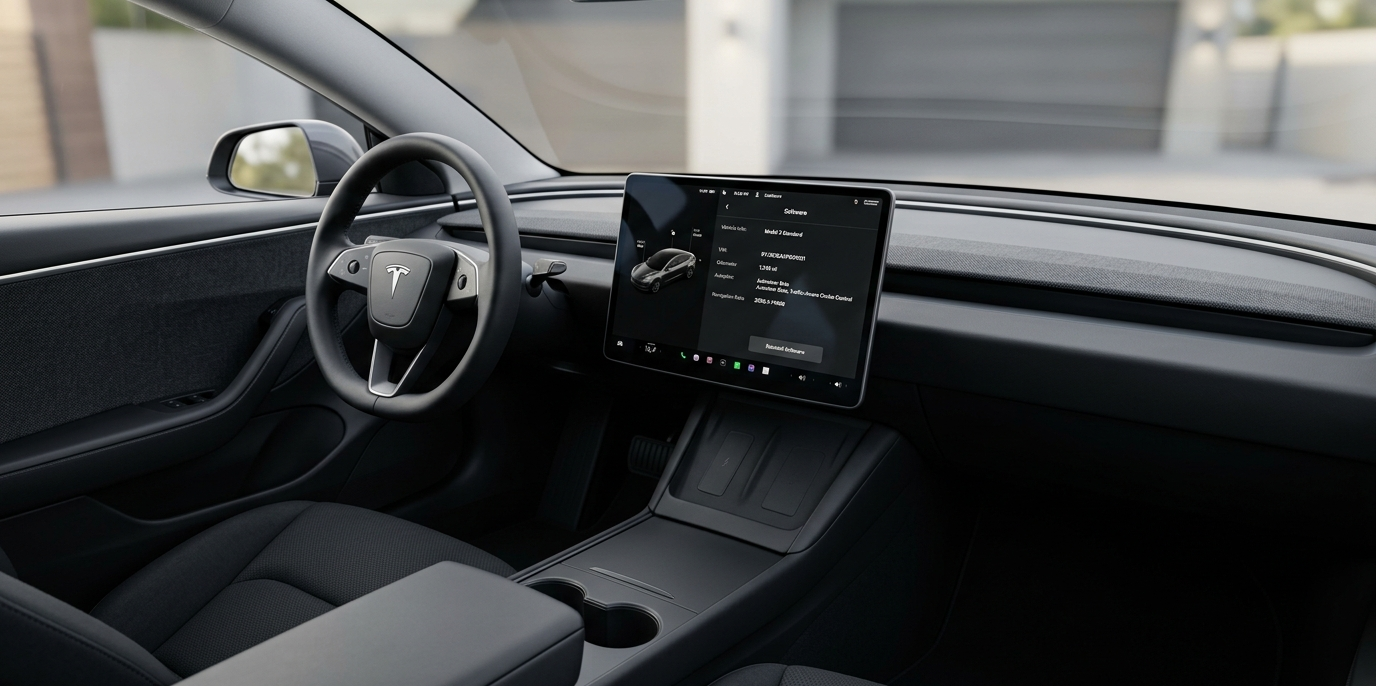
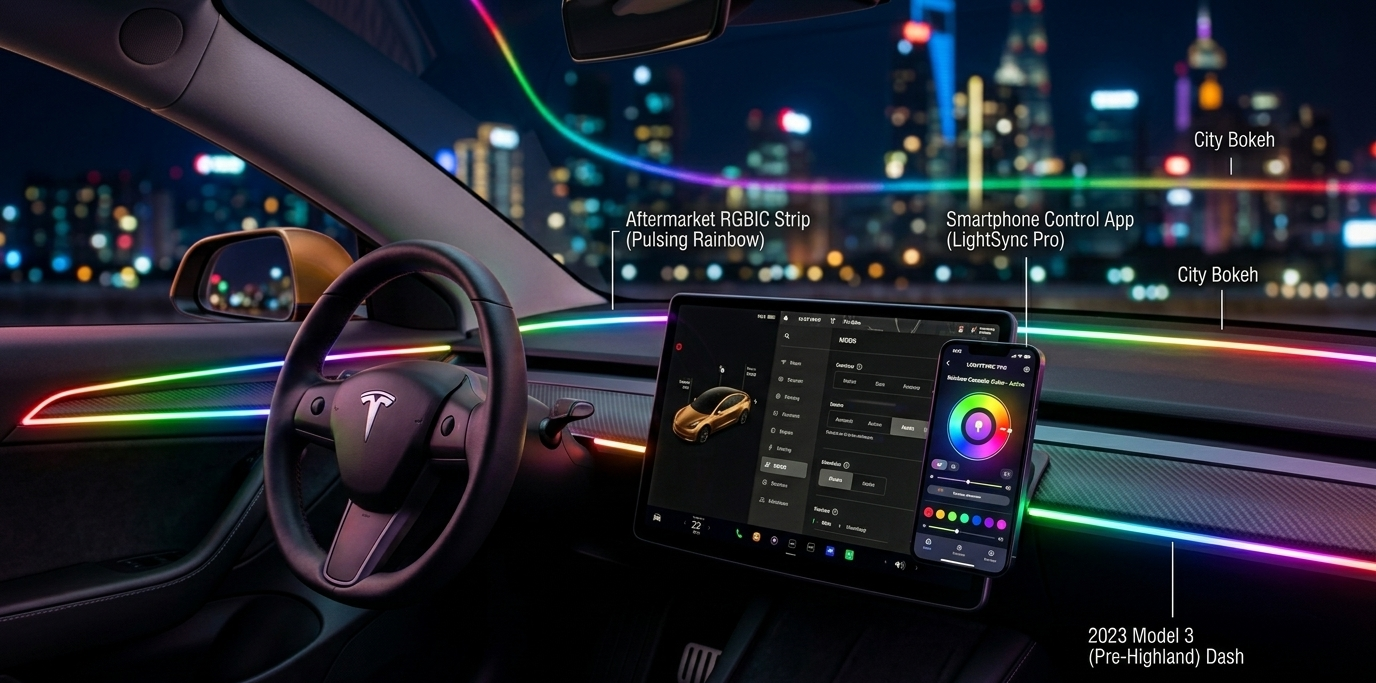
Tesla’s minimalist philosophy means almost every function is buried in the 15.4-inch center display.
-
The Weakness: Adjusting windshield wipers, aiming HVAC vents, or even opening the glovebox requires looking away from the road to navigate menus.
-
2024+ Update Note: The newest Model 3 (Highland) has removed the gear shifter and turn signal stalks entirely, moving them to the screen and steering wheel buttons—a move many drivers find frustrating during tight maneuvers.
3. Suspension and Ride Harshness
While the Model 3 is a “driver’s car” with sharp handling, it comes at the cost of comfort.
-
The Reality: The suspension is tuned stiffly. On rough city streets or potholes, the ride can feel “jittery” or harsh, particularly on the optional 19-inch or 20-inch wheels.
-
Maintenance Note: Recent German TÜV reports ranked the Model 3 lower in long-term reliability due to premature wear on suspension bushings and lateral links, likely caused by the car’s heavy battery weight.
4. Phantom Braking and Autopilot Quirks
Tesla’s Vision-only system (which uses cameras instead of radar) is prone to “Phantom Braking.”
-
The Experience: The car may suddenly slam on the brakes while on Autopilot because it misinterprets shadows or overhead bridges as obstacles. This remains a significant safety complaint among highway commuters.
5. Lack of Apple CarPlay and Android Auto
In a tech-forward car, the absence of smartphone mirroring is a glaring omission for many.
-
The Drawback: You are locked into Tesla’s ecosystem. While Tesla’s native navigation is excellent, you cannot natively use Waze, Apple Maps, or your preferred messaging interface through the car’s display.
6. Rear Passenger Comfort and Space
The Model 3 is a compact sedan, but its “skateboard” battery floor creates a unique ergonomic challenge.
-
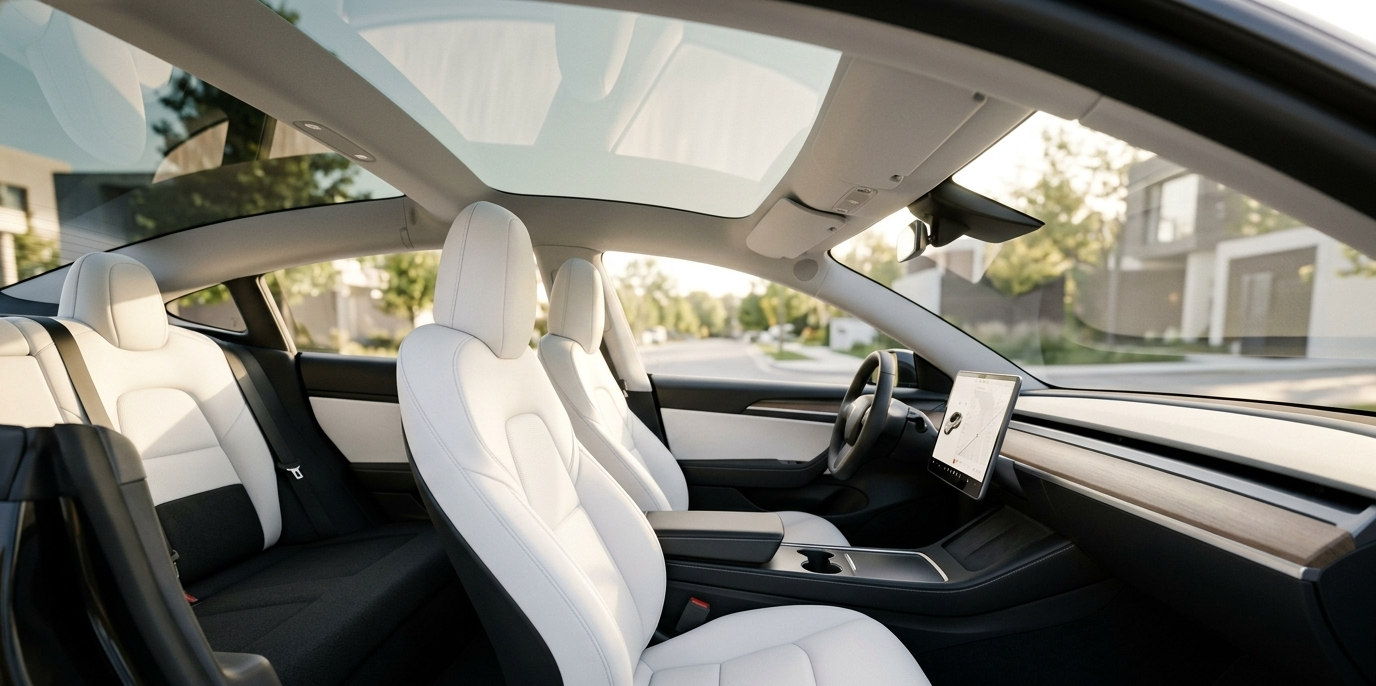
The Problem: The floor is high, meaning rear passengers sit in a “knees-up” position, which can be tiring on long trips. Additionally, the sloping roofline restricts headroom for taller adults.
7. Service Network and Insurance Costs
-
Service Gaps: Unlike Ford or Toyota, Tesla doesn’t have a dealership on every corner. If you live outside a major metro area, a simple repair can require a long drive or weeks of waiting for a mobile service appointment.
-
Insurance Premiums: Due to the high cost of proprietary parts and the specialized nature of aluminum body repairs, insurance for a Model 3 is often 20-30% higher than for an equivalent gasoline sedan.
Is the Tesla Model 3 Still Worth It?
Despite these weaknesses, the Model 3 remains a class leader in charging infrastructure (Superchargers) and software efficiency. If you value cutting-edge tech and instant torque over “old-school” luxury and physical buttons, the Model 3 is still the benchmark.
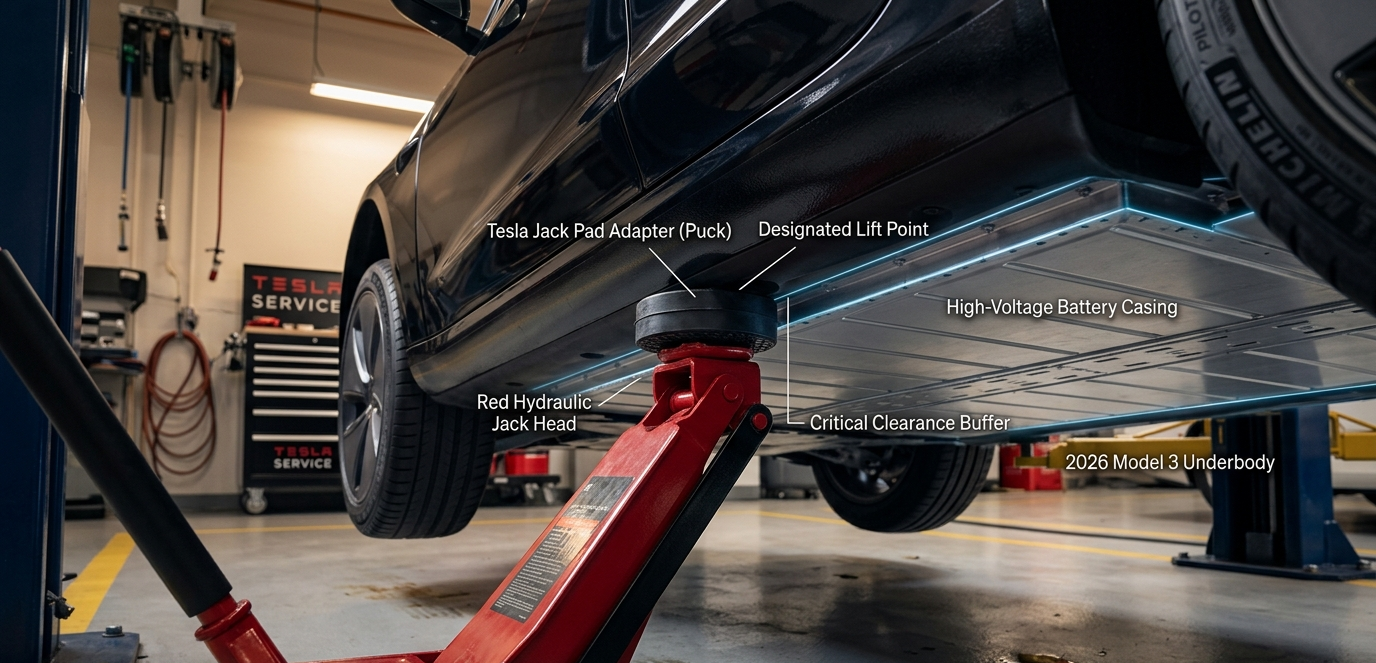
Pro Tip: If you are buying a used Model 3, always check the 12V battery status and inspect the underside for cooling manifold damage, as these are the most common “hidden” failures.


Leave a Reply