

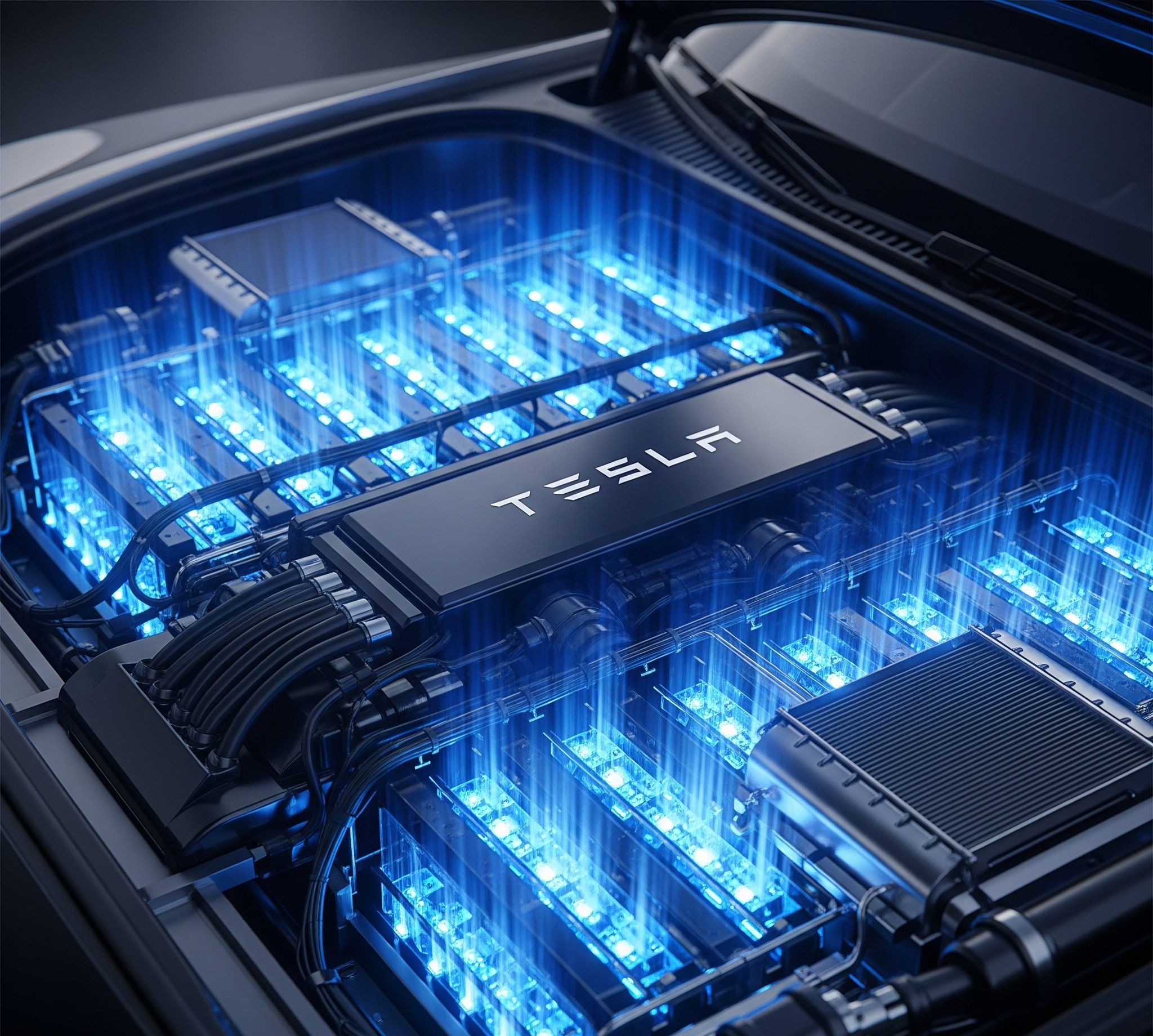
The Tesla Model 3 is a marvel of modern engineering, but for most potential buyers and current owners, one question looms larger than any other: How long will the battery actually last?
Whether you are eyeing a new “Highland” refresh or a used 2018 Long Range model, understanding the chemistry, degradation, and replacement costs is vital for your total cost of ownership.
The Short Answer: Miles vs. Years
According to real-world data and Tesla’s own impact reports, a Tesla Model 3 battery is designed to last between 300,000 and 500,000 miles. For the average driver covering 13,500 miles per year, this translates to a lifespan of 22 to 37 years—likely outlasting the vehicle’s chassis itself.
Tesla Model 3 Battery Degradation: What to Expect
Batteries don’t usually “die” suddenly; they gradually lose capacity. This is known as degradation.
1. The Initial Drop
New owners often notice a 3% to 5% drop in range within the first year or 10,000 miles. Don’t panic—this is the Battery Management System (BMS) calibrating and the chemistry settling.
2. The Long Plateau
After the first year, degradation slows significantly to about 1% to 2% per year. Data shows that even after 200,000 miles, most Tesla Model 3 batteries still retain about 85% to 88% of their original capacity.
Battery Types in the Model 3: LFP vs. NCA
Not all Model 3 batteries are the same. Your car’s lifespan depends heavily on its chemistry:
-
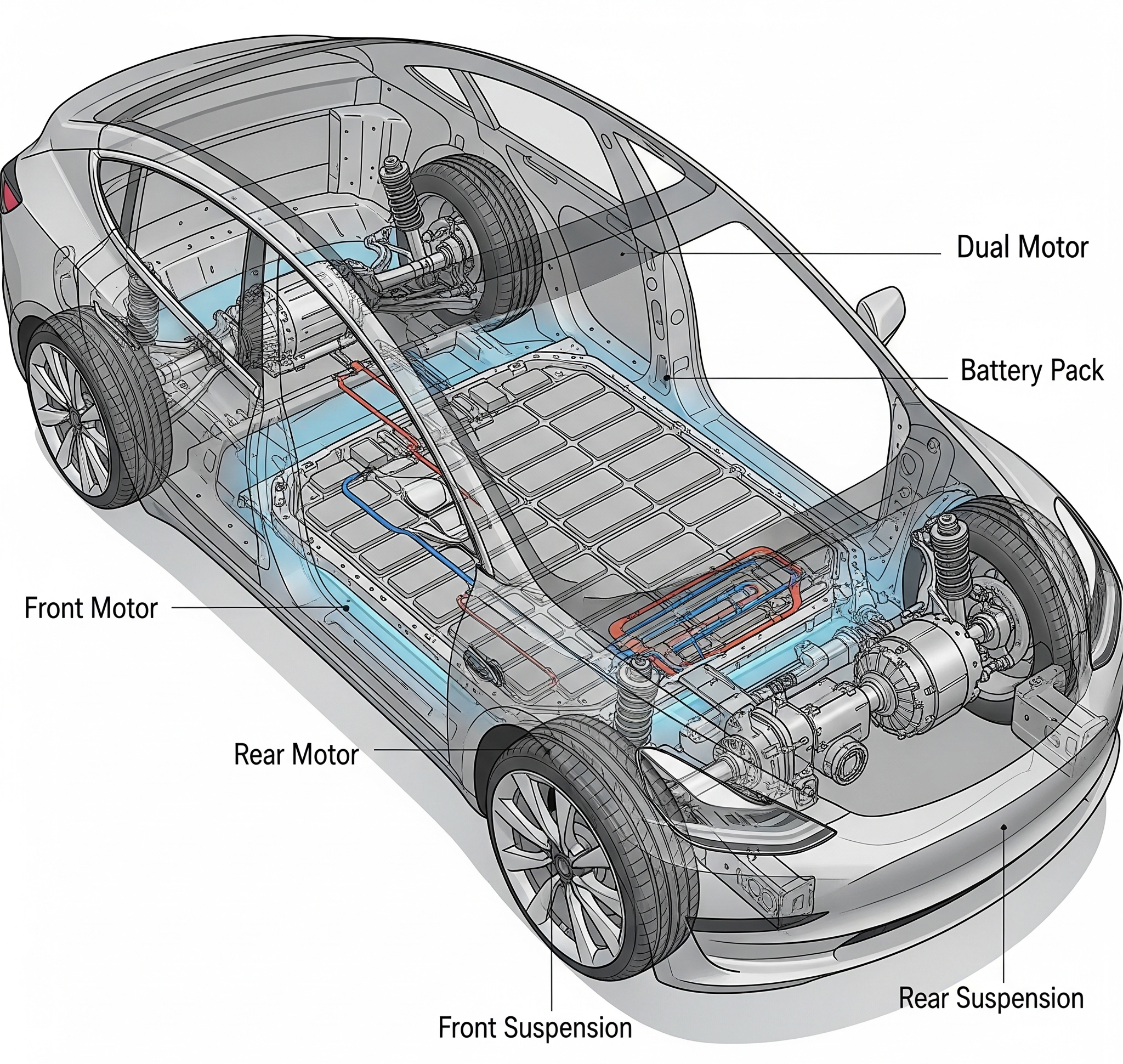
LFP (Lithium Iron Phosphate): Found in the Model 3 RWD (Standard Range). These are incredibly durable and can be charged to 100% daily without significant wear.
-
NCA/NMC (Nickel Cobalt Aluminum/Manganese): Found in the Long Range and Performance models. These offer higher energy density but are more sensitive to heat and high states of charge.
Tesla Model 3 Battery Warranty (U.S. & Global)
Tesla provides a robust safety net. If your battery drops below 70% capacity within the warranty period, Tesla will repair or replace it for free.
Real-World Replacement Costs (2025 Estimates)
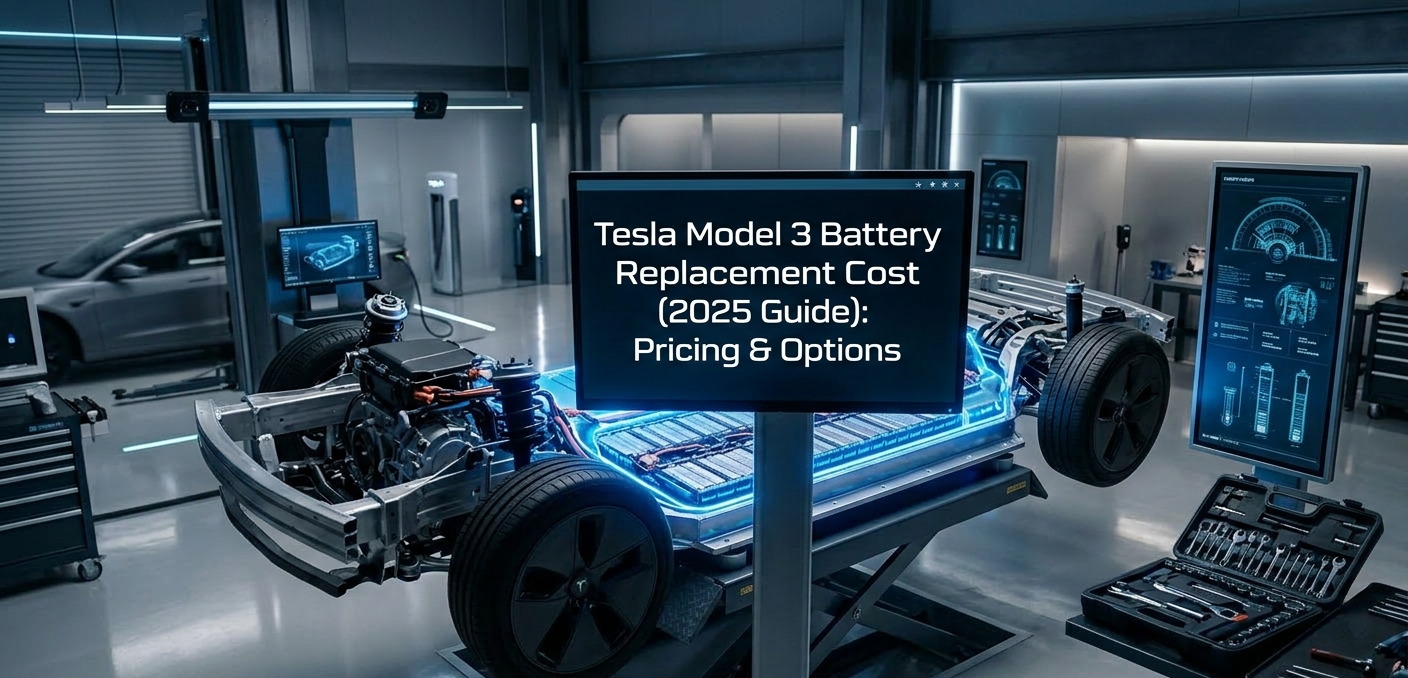
If you are out of warranty and need a full pack replacement, the costs have stabilized as the supply chain matures.
-
Full New Pack: $13,000 – $16,000 (including labor).
-
Remanufactured/Refurbished Pack: $9,000 – $11,000.
-
Individual Module Repair: While rare at Tesla Service Centers, third-party specialists can sometimes repair specific modules for $5,000 – $7,000.
5 Expert Tips to Make Your Battery Last 500,000 Miles
To outrank the average owner in battery health, follow these pro maintenance steps:
-
Avoid the “Red Zone”: Try to keep your battery between 20% and 80% for daily use.
-
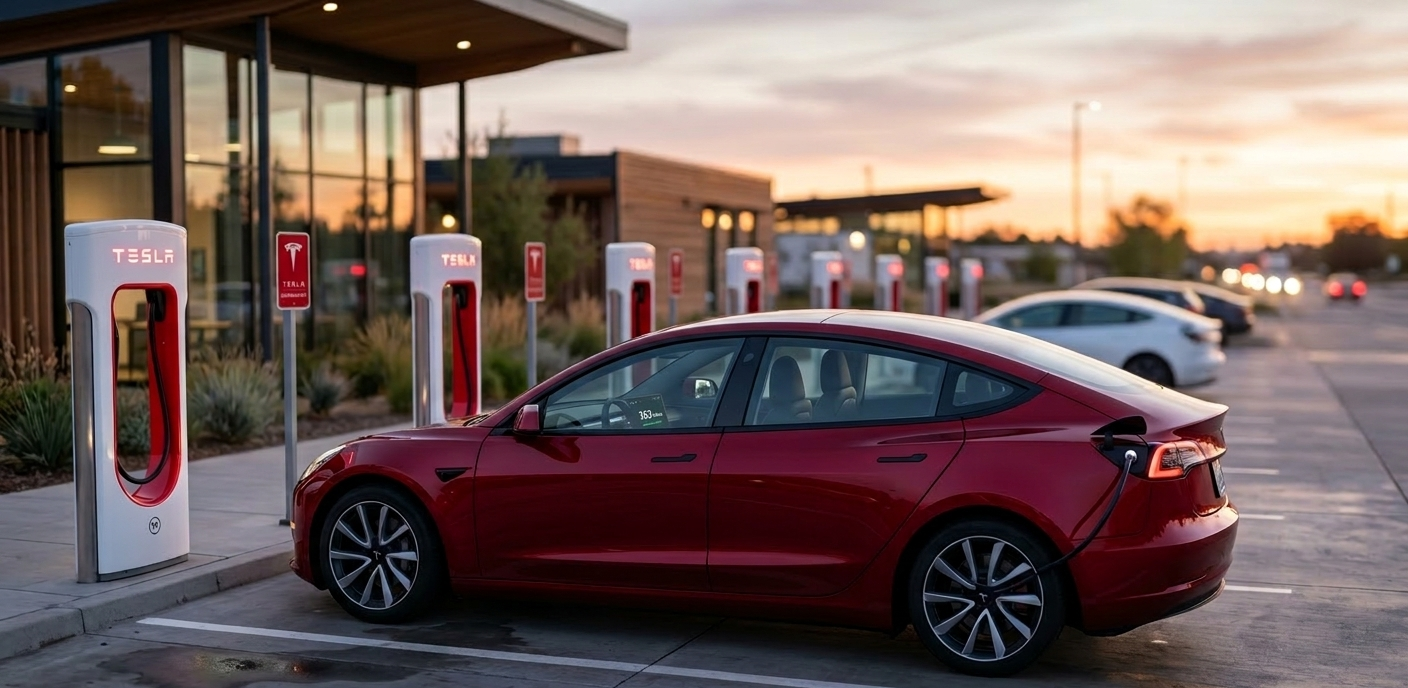
Limit Supercharging: While convenient, frequent DC fast charging generates heat, which accelerates chemical aging. Use Level 2 home charging whenever possible.
-
Use Scheduled Departure: This allows the car to warm the battery before you drive in cold weather, reducing “cold-soaking” stress.
-
Don’t Let it Sit at 0%: Leaving a battery “bricked” (totally empty) for days can cause permanent cell damage.
-
Park in the Shade: Extreme heat is the #1 enemy of lithium-ion cells.
FAQs: Your Questions Answered
1. Does Tesla battery life drop in winter?
The range drops temporarily due to heating needs and slower chemical reactions, but the permanent health of the battery is not harmed as long as you don’t let it sit at 0% in freezing temperatures.
2. Can I replace a Tesla battery myself?
No. Tesla batteries are high-voltage systems (400V+) and are structural components of the car. Replacement requires specialized equipment and certified technicians.
3. Will a 100% charge every day ruin my battery?
If you have an LFP battery (Standard Range), charging to 100% is actually recommended once a week. For Long Range/Performance models, it is best to limit 100% charges to long road trips only.
4. How much does a used Tesla Model 3 battery lose after 100k miles?
On average, a well-maintained Model 3 will lose about 10% to 12% of its original range after 100,000 miles.
Expert Verdict: With a potential lifespan of over 300,000 miles and a 1% annual degradation rate, the Tesla Model 3 battery is one of the most reliable components of the vehicle. By following basic charging etiquette, your battery will likely outlive your ownership of the car.


Leave a Reply