

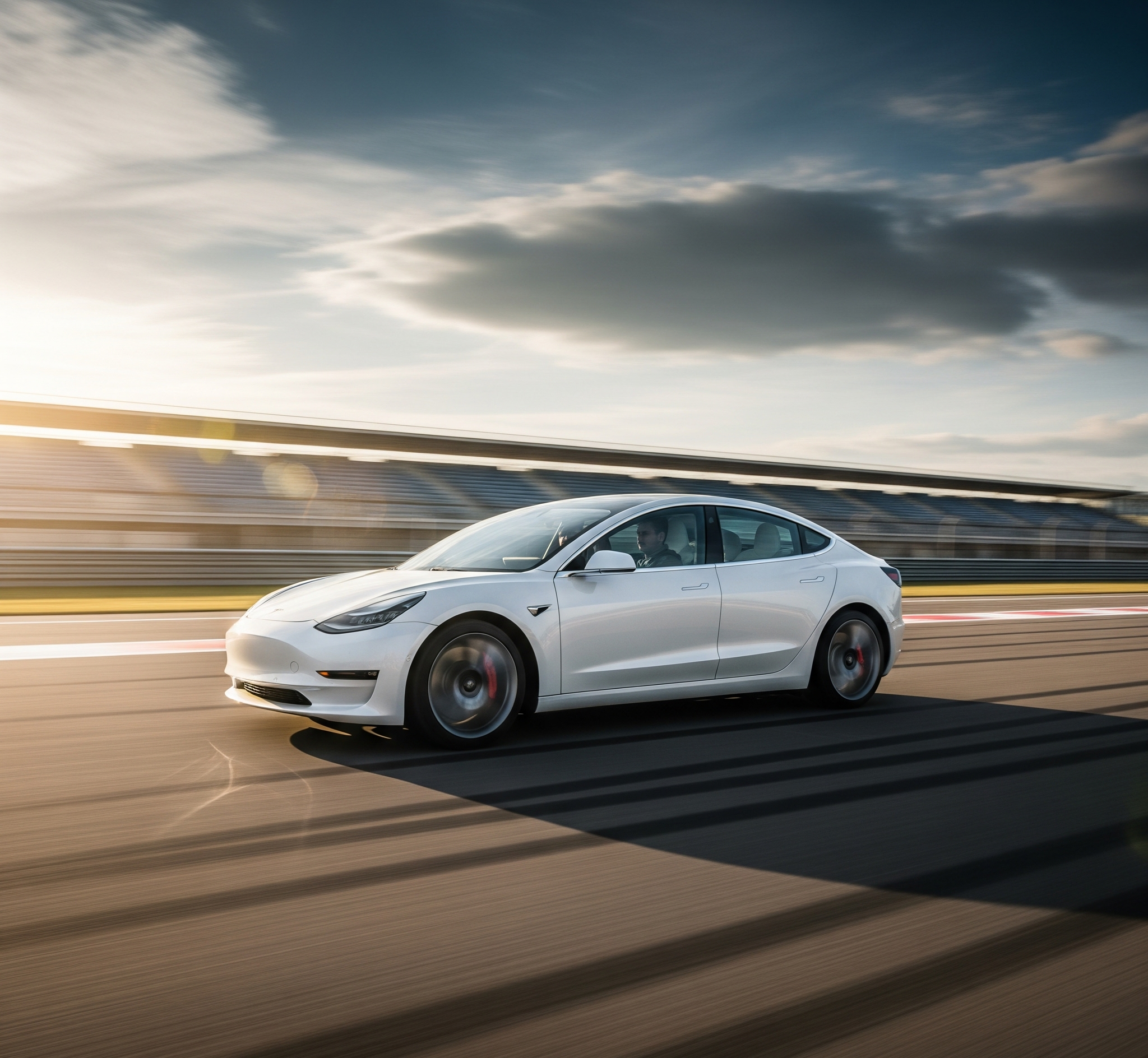
When it comes to electric vehicle (EV) performance, the Tesla Model 3 has set the benchmark for affordable quickness. Whether you are looking for a daily commuter or a track-ready beast, understanding the Tesla Model 3 0-60 time is crucial to choosing the right trim.
In this guide, we break down the acceleration metrics for every variant, including the latest 2024 “Highland” refresh
Quick Summary: Tesla Model 3 Acceleration by Trim
| Trim Level | 0-60 MPH Time | Top Speed |
| Model 3 Performance | 2.9 Seconds | 163 mph |
| Model 3 Long Range (AWD) | 4.2 Seconds | 125 mph |
| Model 3 Rear-Wheel Drive (RWD) | 5.8 Seconds | 125 mph |
1. Tesla Model 3 Performance: The Supercar Killer
The Performance trim is where the Model 3 truly shines. With the 2024 update, the Model 3 Performance 0-60 time is a blistering 2.9 seconds (with rollout subtracted).
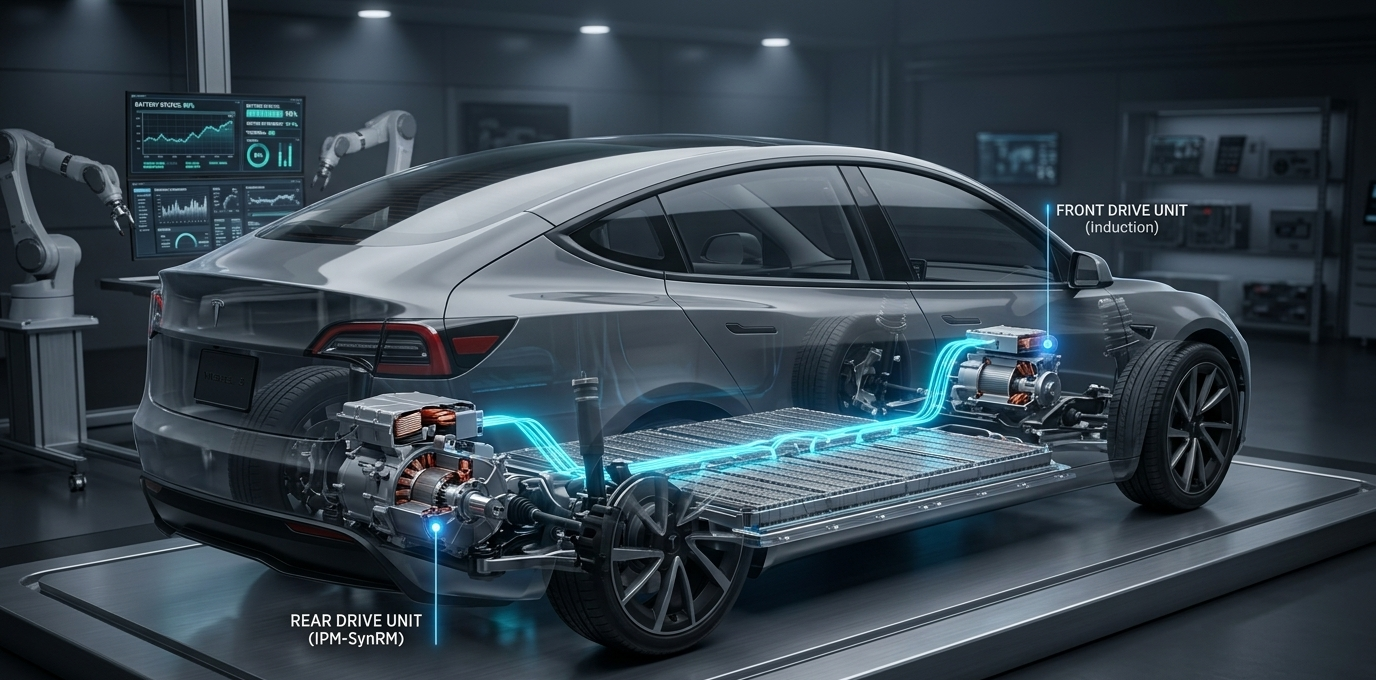
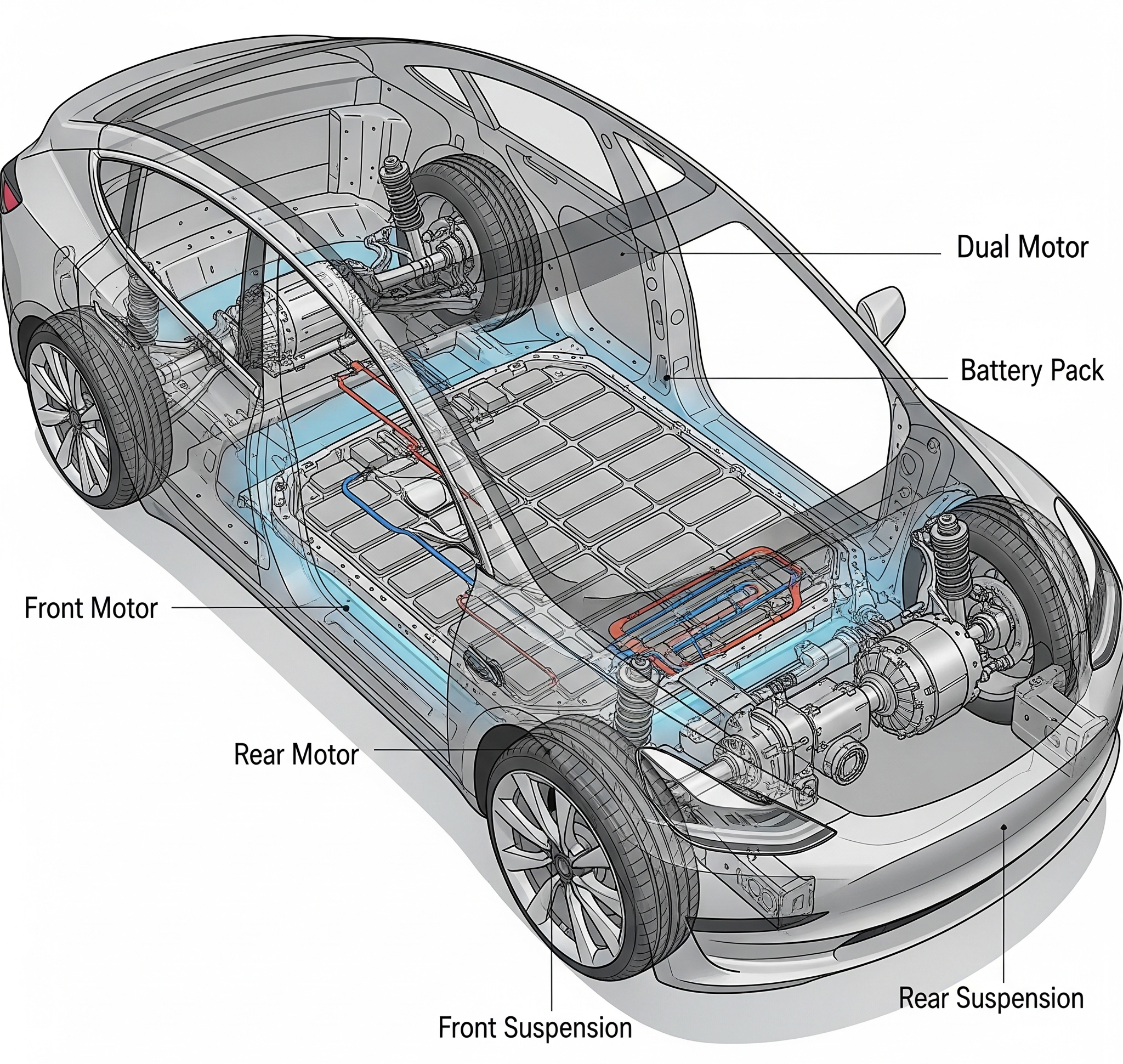
This puts the Model 3 in the same league as exotic supercars. It achieves this through a dual-motor All-Wheel Drive (AWD) setup that delivers instant torque to the pavement. If you prioritize “neck-snapping” acceleration, this is the variant for you.
2. Tesla Model 3 Long Range: The Balanced Athlete
The Long Range All-Wheel Drive variant offers a perfect middle ground. It clocks a 0-60 mph time of 4.2 seconds. While it lacks the extreme punch of the Performance trim, it provides more than enough power for confident highway merging and overtaking, all while offering the highest driving range in the lineup.
3. Tesla Model 3 Rear-Wheel Drive: The Efficient Entry
The base Model 3 (formerly known as the Standard Range Plus) features a single rear motor. The 0-60 time for the RWD Model 3 is 5.8 seconds. While this is the “slowest” in the Tesla family, it is still significantly faster than most gasoline-powered sedans in its price bracket, providing that signature “EV zip” from a standstill.
Factors That Influence Your 0-60 Time
To achieve the official Tesla-quoted times, several variables come into play:
-
State of Charge (SoC): Teslas perform best when the battery is above 80%. As the battery drains, the voltage drops, slightly increasing acceleration times.
-
Tire Grip: The Performance trim uses staggered summer tires designed for maximum traction. Using winter or all-season tires can slightly increase 0-60 durations.
-
Software Updates: Tesla frequently releases Over-the-Air (OTA) updates that can optimize motor efficiency and power delivery, occasionally “uncorking” more speed for existing owners.
-
Road Surface: Clean asphalt vs. wet or gravel roads will drastically change launch performance.
How Does the Model 3 Compare to Competitors?
In the compact luxury EV segment, the Model 3 remains a leader. The BMW i4 eDrive40 takes roughly 5.4 seconds, while the Polestar 2 Long Range Single Motor takes about 5.9 seconds. Tesla’s integration of software and hardware continues to give it a “launch” advantage over traditional manufacturers.
Frequently Asked Questions (FAQs)
What is the fastest Tesla Model 3 0-60 time?
The fastest version is the 2024 Model 3 Performance, which reaches 60 mph in just 2.9 seconds.
Does the Tesla Model 3 have a “Ludicrous Mode”?
While the Model 3 doesn’t have “Ludicrous” or “Plaid” modes like the Model S, the Performance trim features “Insane Mode” and “Track Mode V3” to optimize its 0-60 capabilities.
Is the Tesla Model 3 faster than a BMW M3?
In a 0-60 mph sprint, the Model 3 Performance (2.9s) is faster than a standard BMW M3 (3.4s – 3.8s), though the M3 may catch up at higher track speeds.
Can I upgrade my Long Range Model 3 to be faster?
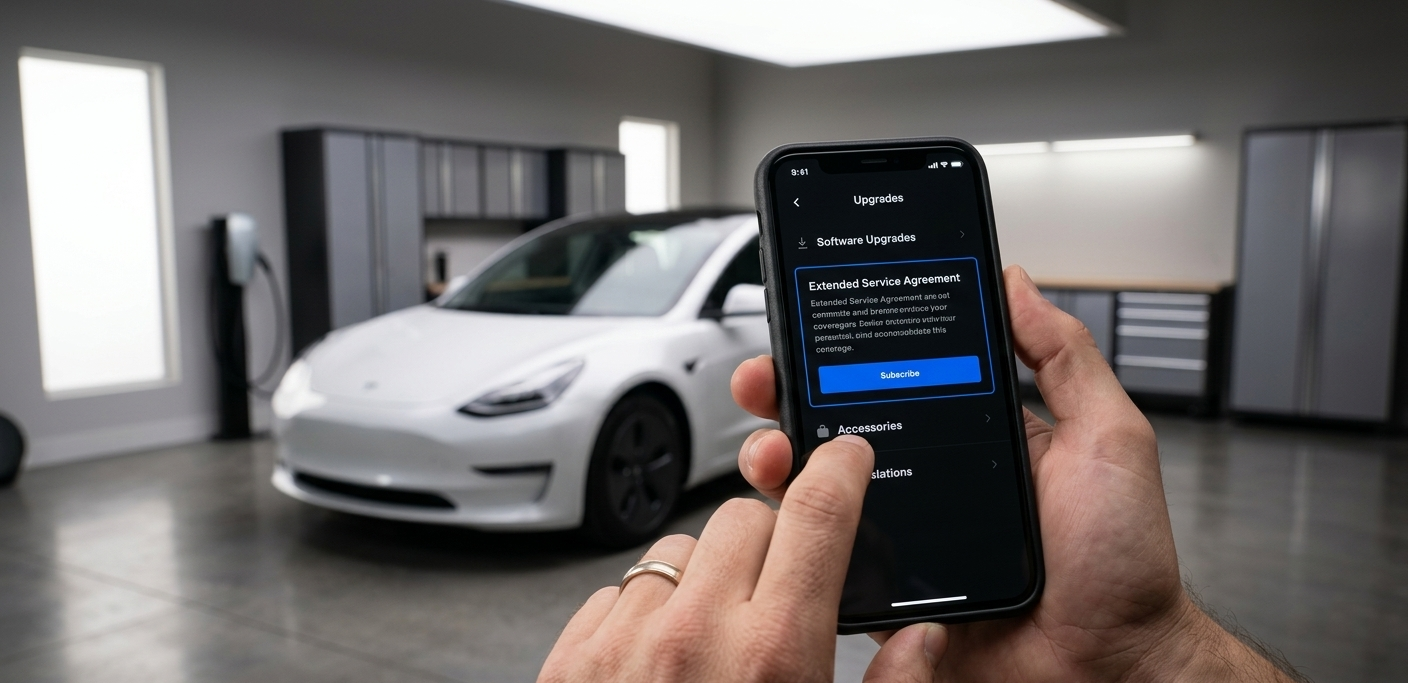
Yes, Tesla often offers an “Acceleration Boost” software upgrade for Long Range AWD owners (for a fee), which typically shaves about 0.5 seconds off the 0-60 time.

Leave a Reply