

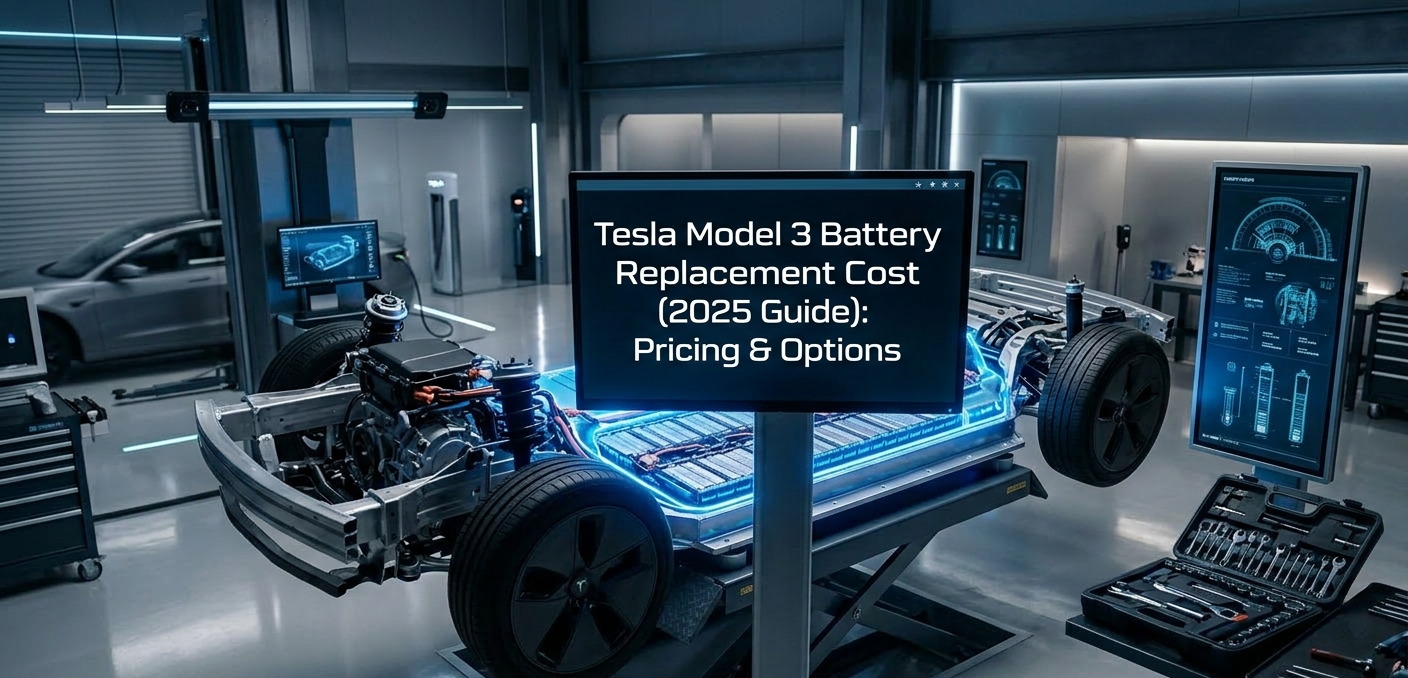
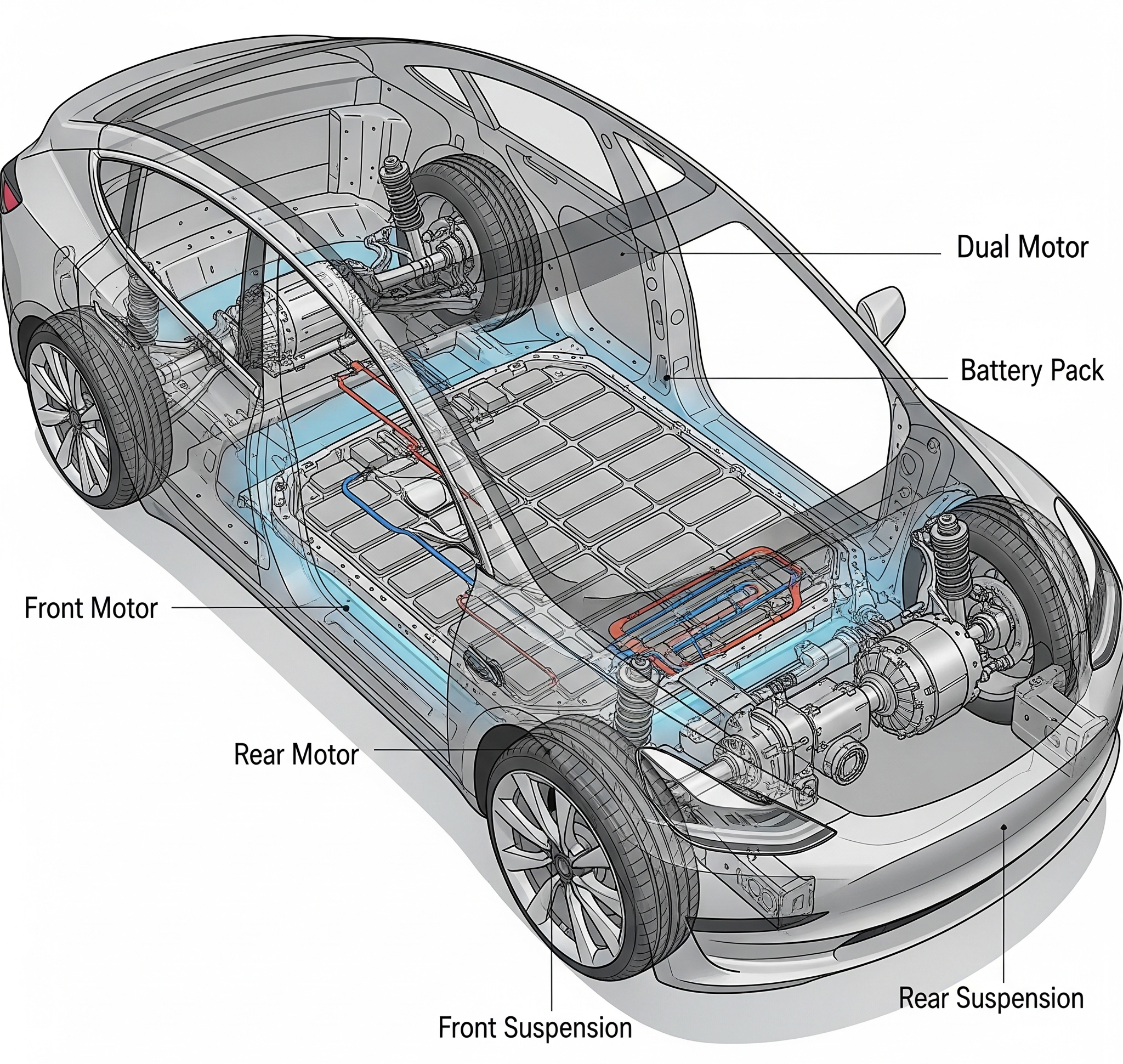
Replacing the battery in a Tesla Model 3 is the single most expensive repair an owner might face. As of 2025, the average out-of-warranty cost for a Tesla Model 3 battery replacement ranges between $13,000 and $18,000. However, the “sticker price” varies significantly depending on your specific trim (Standard Range vs. Long Range), labor rates in your region, and whether you choose a new or remanufactured unit.
Quick Cost Breakdown: Tesla Model 3 Battery (2025 Estimates)
| Component | Estimated Cost (USD) |
| Battery Pack (Remanufactured) | $9,000 – $13,500 |
| Battery Pack (Brand New) | $13,500 – $16,000 |
| Labor Fees (Service Center) | $1,500 – $2,500 |
| Miscellaneous Parts & Tax | $200 – $500 |
| Total Estimated Cost | $13,000 – $20,000+ |
Factors Influencing the Final Bill
1. Battery Capacity and Chemistry
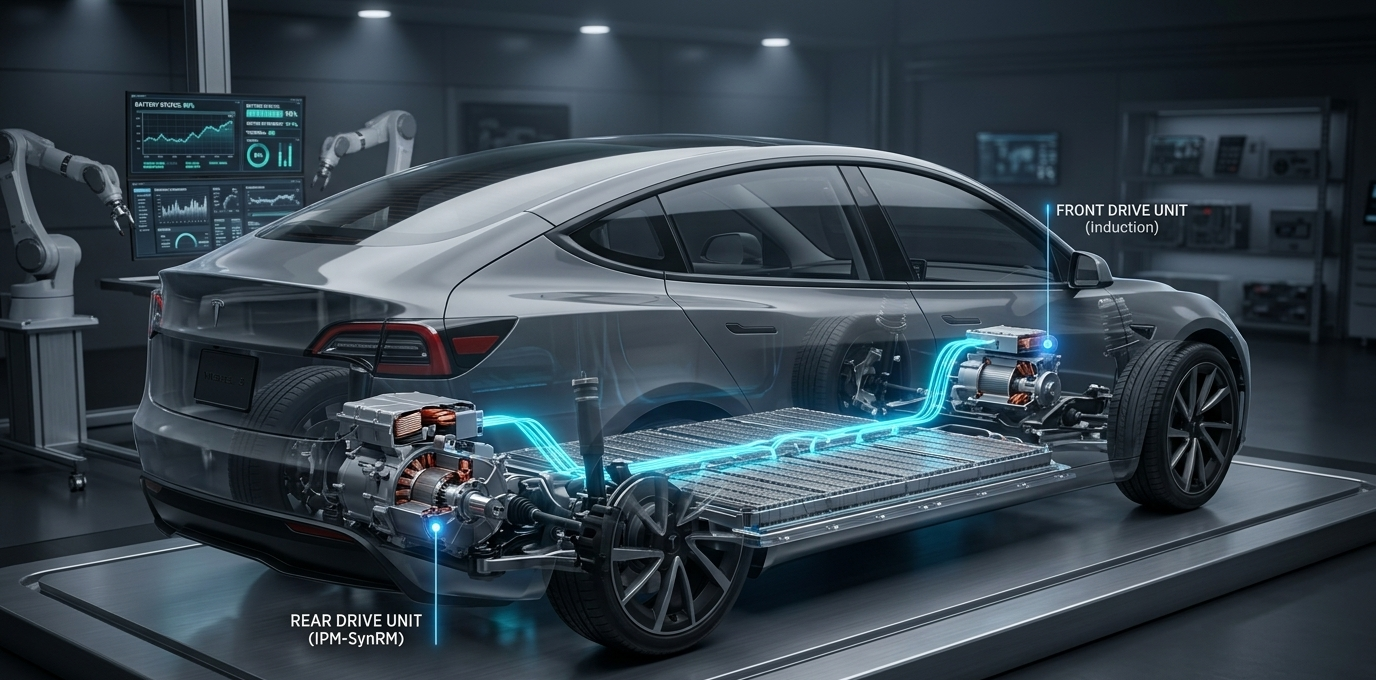
The Model 3 uses different battery types. The Standard Range (RWD) models often use Lithium Iron Phosphate (LFP) batteries, which are generally cheaper to produce and replace. The Long Range and Performance models use Nickel Cobalt Aluminum (NCA) or Nickel Manganese Cobalt (NMC) chemistries, which offer higher energy density but come with a higher price tag.
2. Labor Rates
Tesla Service Centers typically charge between $175 and $200 per hour. A full battery swap usually takes between 3 to 9 hours of active labor. If your car has underlying issues (like coolant leaks or harness damage), this time can increase.
3. New vs. Remanufactured Packs
Tesla often offers “remanufactured” packs for out-of-warranty repairs. These are used packs that have been tested, repaired, and certified by Tesla. Choosing a remanufactured pack can save you $3,000 to $5,000 compared to a factory-fresh unit.
Understanding the Tesla Battery Warranty
Before you pay out of pocket, check your warranty status. Tesla provides a specialized Battery and Drive Unit Limited Warranty that is separate from the basic vehicle warranty.
-
Model 3 RWD: 8 years or 100,000 miles (whichever comes first).
-
Model 3 Long Range / Performance: 8 years or 120,000 miles.
The “70% Rule”: Tesla will replace your battery for free only if the capacity drops below 70% within the warranty period or if there is a hardware failure not caused by an accident.
Can You Lower the Replacement Cost?
If you are out of warranty, you aren’t strictly limited to Tesla Service Centers:
-
Third-Party EV Specialists: Shops like The Electrified Garage or Gruber Motor Company can often repair individual battery modules for $5,000 – $8,000 rather than replacing the entire $15k pack.
-
Salvage Markets: Some owners source batteries from totaled Teslas, though this requires high technical expertise and carries significant safety risks.
How to Prolong Your Tesla Model 3 Battery Life
To avoid a five-figure bill, follow these best practices to minimize degradation:
-
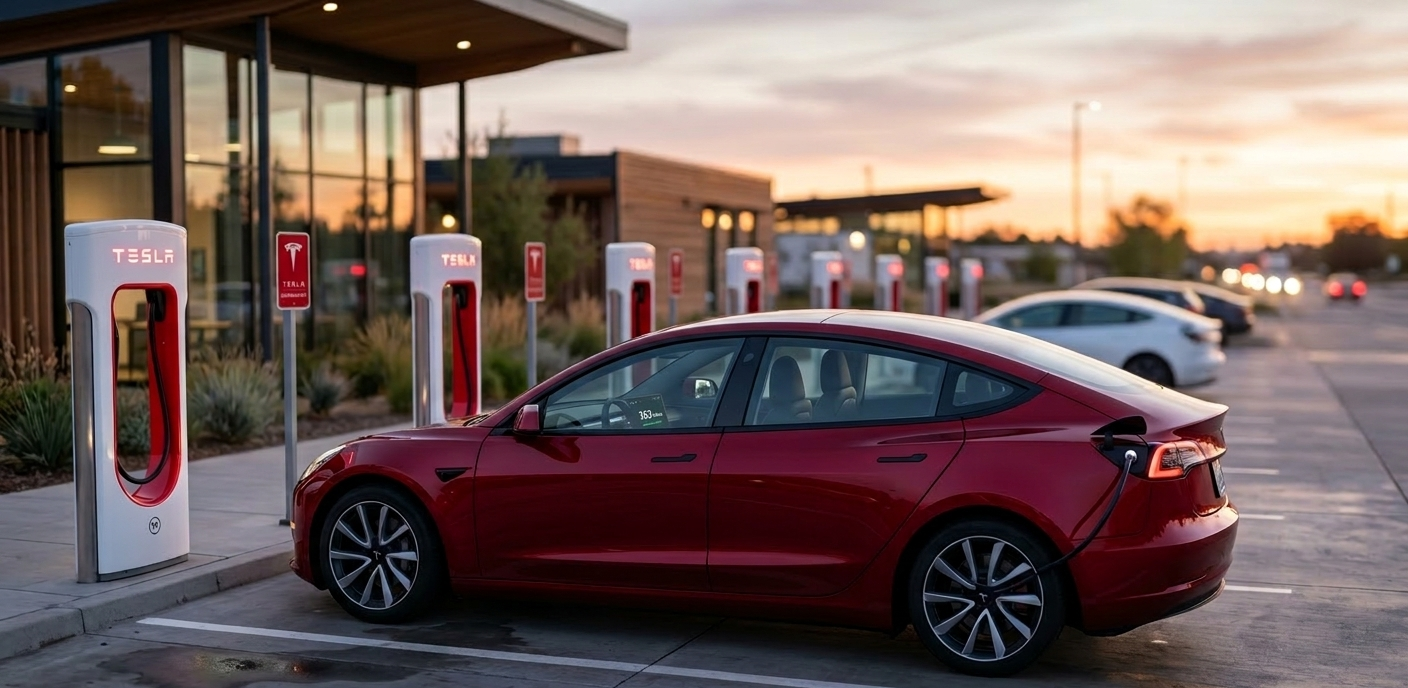
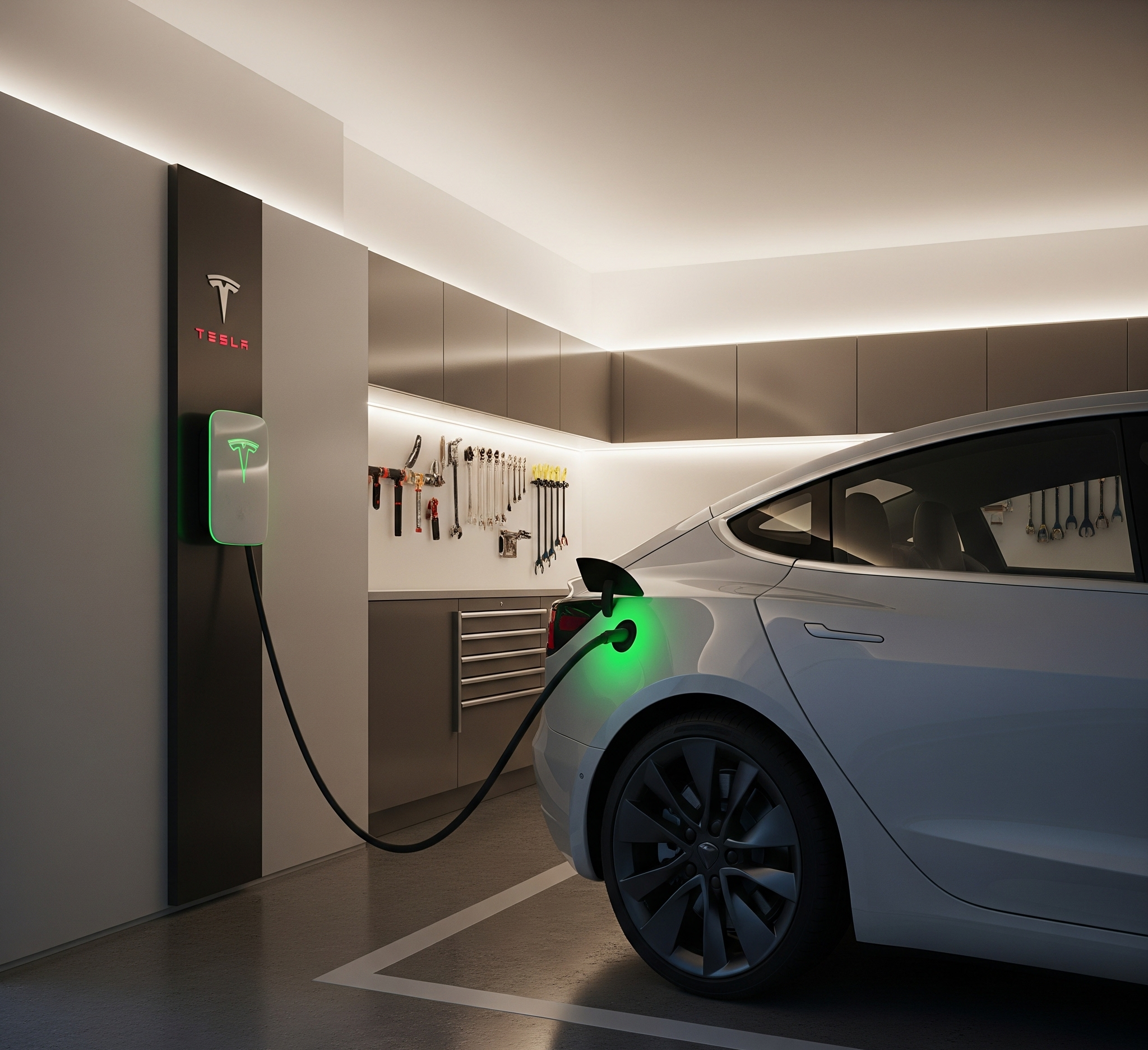
Limit Supercharging: Frequent DC fast charging generates heat, which can stress the cells. Use Level 2 home charging whenever possible.
-
The 20-80% Rule: For NCA/NMC batteries, keep the charge between 20% and 80%. (Note: LFP batteries in newer RWD models should be charged to 100% once a week).
-
Avoid Temperature Extremes: Whenever possible, park in a garage during extreme heat or freezing winters.
Frequently Asked Questions (FAQs)
1. How long does a Tesla Model 3 battery last?
Most Tesla batteries are designed to last between 300,000 and 500,000 miles. Real-world data shows that batteries typically retain about 88% of their capacity even after 200,000 miles.
2. Can I upgrade my battery to a larger size?
Technically yes, but Tesla Service Centers usually only replace “like-for-like.” Upgrading a Standard Range to a Long Range battery often requires hardware and software changes that Tesla does not officially support.
3. Is it worth replacing the battery on an old Model 3?
If the car is worth $20,000 and the repair is $15,000, it may be better to trade the vehicle in for a newer model. However, for a car in excellent condition, a new battery effectively resets the vehicle’s lifespan.


Leave a Reply